Crypto Winter 2018: The Year Bitcoin Fell 84%
In December 2017 Bitcoin touched $20,000 and the whole world wanted in. Twelve months later it traded near $3,200, hundreds of ICO tokens were effectively dead, and roughly $830 billion of market value had evaporated. This is the chronicle of crypto's first great winter — how it arrived, how cold it got, how long it lasted, and the builders who stayed outside until spring.
11 minutes • 15 illustrated steps • Chronological history of crypto's first great bear market
Editorial Research & Chronological Archive
Independently synthesized and cross-verified by The Blockchain History Editorial Board using primary whitepapers, historical archives, and on-chain records.
What was the crypto winter of 2018?
The crypto winter of 2018 was the year-long bear market that followed Bitcoin's December 2017 peak. Bitcoin topped out around $19,600–$20,000 in mid-December 2017, then fell almost without pause for twelve months: to about $6,500 by early February, through the collapse of the 2017 ICO boom (Ethereum from $1,400 to $400, most altcoins down 90% or more), past a $530 million hack at Japan's Coincheck, through SEC crackdowns on ICOs and a string of Korean exchange robberies, and finally — after the November 2018 Bitcoin Cash hash war broke the market's last support — to roughly $3,200 on December 15, 2018. That is an 84% decline, with hundreds of billions of dollars in market value wiped out. The winter only ended because teams kept building through it, setting up the next cycle.
Key Takeaways
- Bitcoin peaked at roughly $19,600–$20,000 on December 16–17, 2017, and December 17 turned out to be the first day of a correction that would run for the next twelve months; the euphoria was so extreme that the Grayscale Bitcoin Trust traded at a premium near 100%, meaning some investors effectively paid $40,000 per Bitcoin plus a 2% annual fee.
- The January crack was brutal: Bitcoin fell from $11,000 on January 7 to about $6,500 within weeks, Ethereum topped at $1,400 on January 13 and later lost most of its value, and the top-10 altcoins — XRP hit about $3.40 on January 7 — never came close again.
- The 2017 ICO mania ($3.6 billion raised between January and September alone, over $5 billion for the year) inverted into a bust: tokens that traded at $1 fell to fractions of a cent, most projects had no path to profitability, and lawsuits followed.
- Exchange failures punctuated the year: Coincheck lost $530 million in NEM in January — the biggest crypto theft recorded at that point — and in June South Korea's Coinrail (~$40 million) and Bithumb (~$13 million) were hit within weeks of each other.
- Regulators and the macro cycle squeezed at the same time: the SEC said Bitcoin and Ethereum were not securities but treated nearly all ICOs as securities offerings, while the Federal Reserve hiked rates from about 1.2% to 2.4% and shrank its balance sheet, strangling risk assets of all kinds.
- The November 15, 2018 Bitcoin Cash hash war (Bitcoin ABC vs. Bitcoin SV) broke the market's year-long $6,000 floor; Bitcoin found its final low near $3,200 on December 15, 2018 — an 84% drawdown — and the survivors were the teams and institutions that kept building: new mainnets, the Lightning Network, Fidelity and Bakkt.
The Peak of Euphoria: December 2017
Every winter needs a summer worth remembering. In mid-December 2017, crypto was the hottest market on Earth — and nobody ringing the bell noticed.
- 1
The week Bitcoin touched $20,000
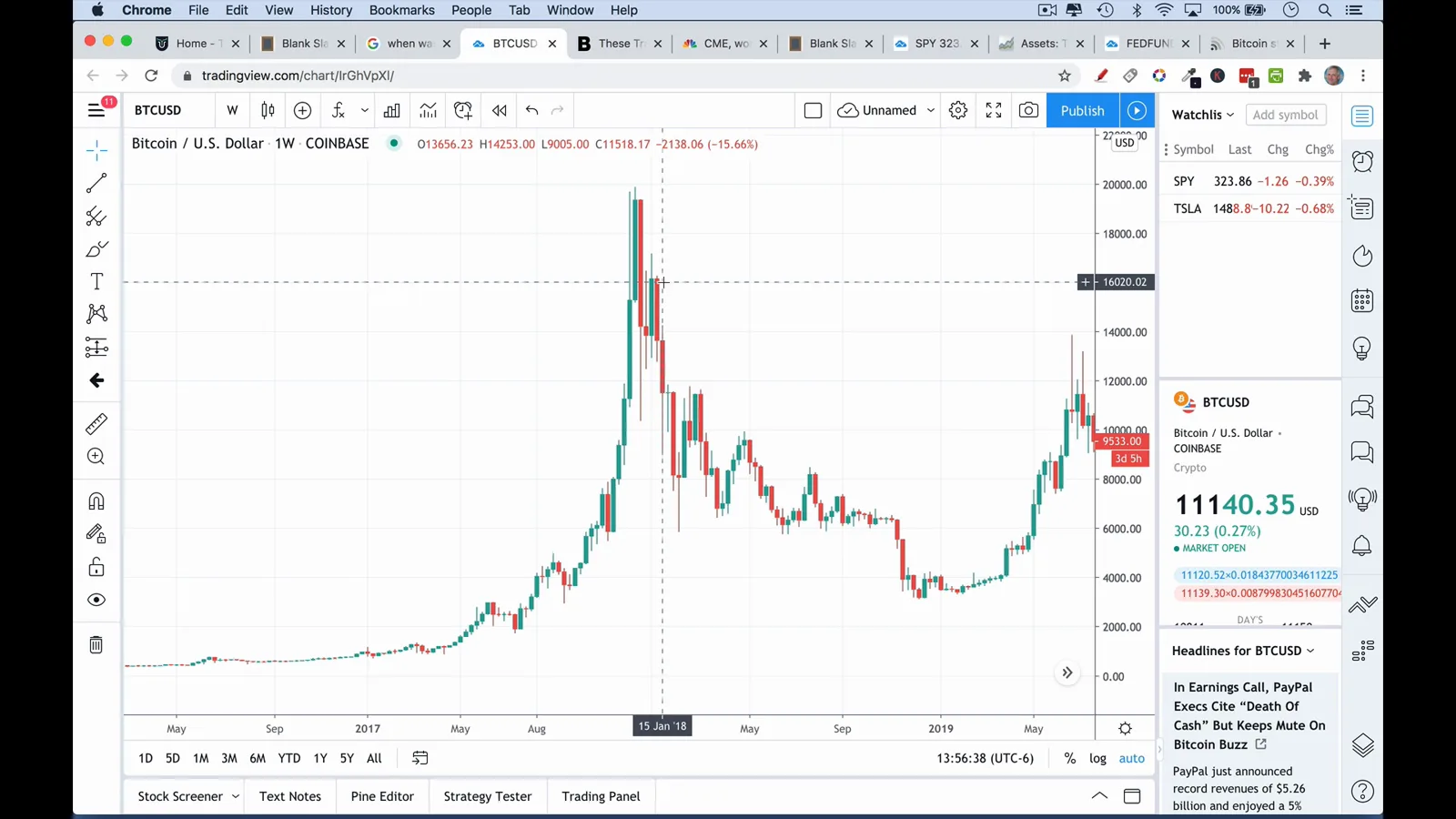
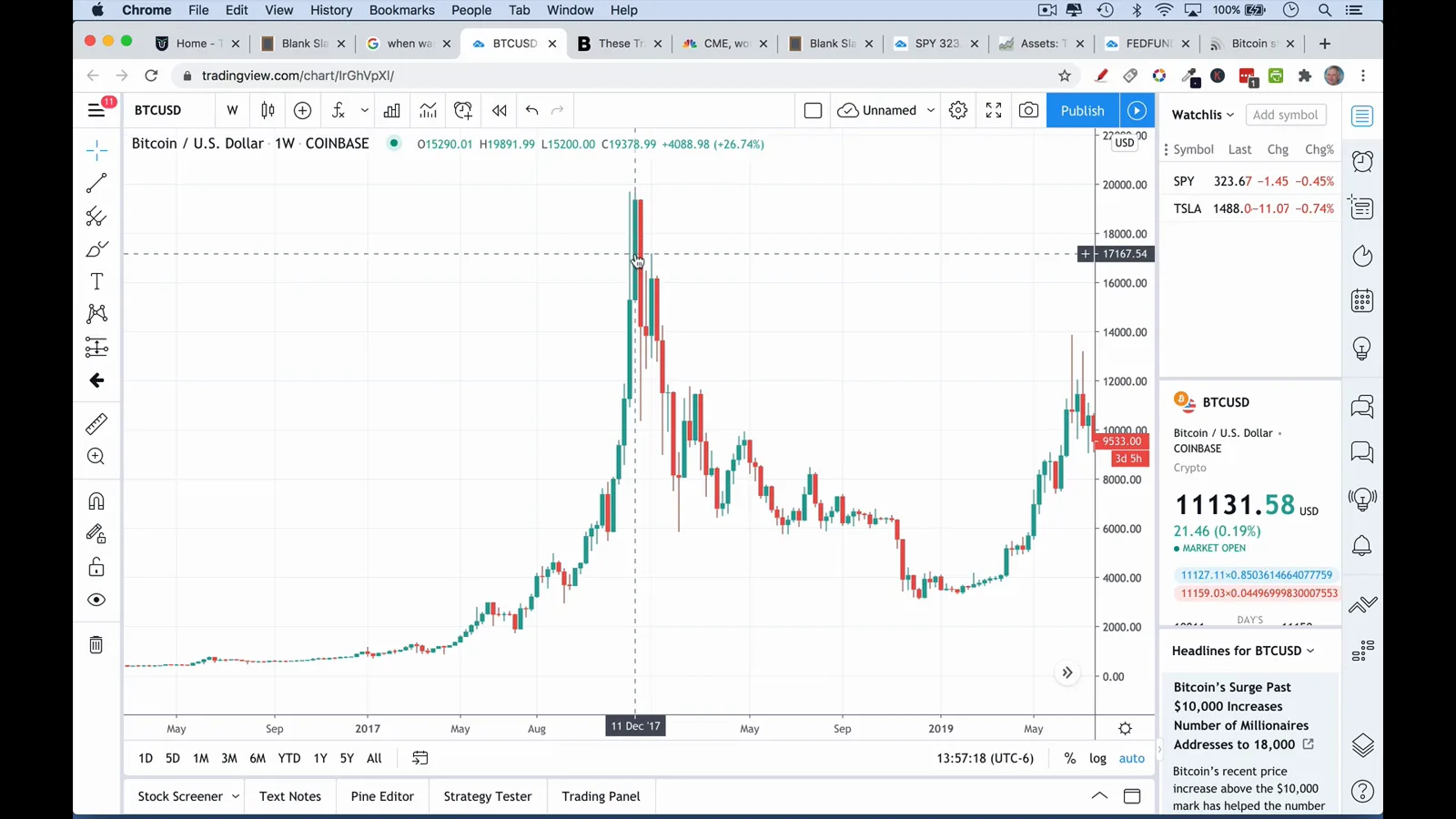
On December 16, 2017, Bitcoin printed its all-time high around $19,600 — call it $20,000 on the charts everyone screenshotted. The next day, December 17, would quietly become the first day of a correction that ran for the next twelve months, though nothing about the mood suggested it. Bitcoin had begun 2017 near $1,000; the parabola into December felt unstoppable, and the run-up was so loud that friends and cab drivers were giving trading advice. With hindsight the top was a textbook blow-off — price more than doubling in a month — but at the time there was no bell, no announcement. Just a candle that never got exceeded, while the market below it kept partying for a few more weeks.
The top nobody knew was a top. - 2
Investors were paying double for the same Bitcoin
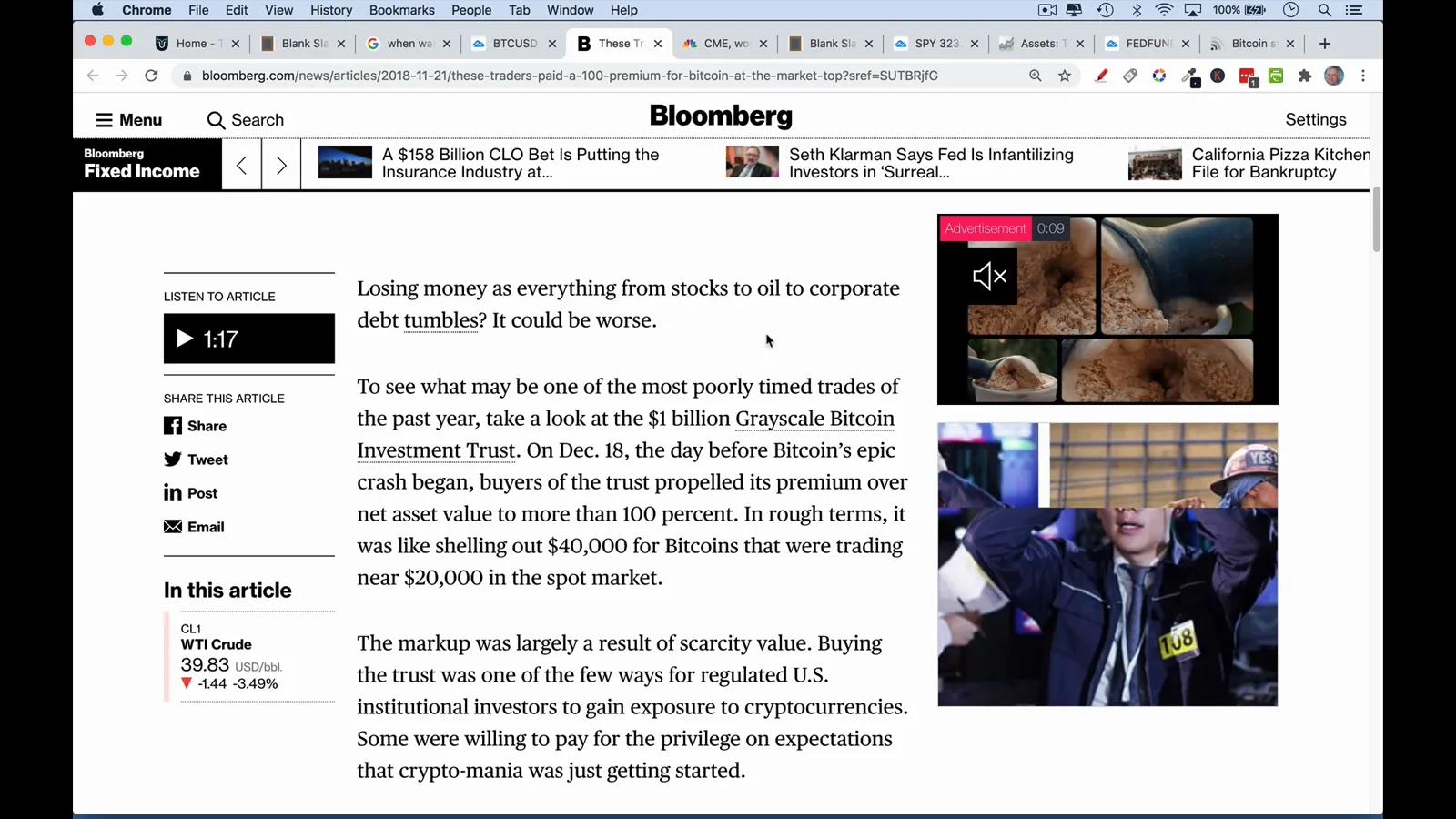
One gauge of how overheated things had become was the Grayscale Bitcoin Trust (GBTC), the vehicle that let stock-market investors hold Bitcoin exposure in a brokerage or retirement account. The trust had always traded at a premium to spot Bitcoin — but at the December peak that premium ballooned to roughly 80–100%. Investors were effectively paying about $40,000 for each Bitcoin's worth of exposure while Bitcoin itself traded near $20,000 on the open market, plus a 2% annual fee to the trust. When buyers will pay double the spot price for convenience, the market has stopped checking prices at all. That is the kind of froth that only exists at a very specific moment: the very top.
The same coin, twice the price — plus fees. - 3
The altcoins' last party
Bitcoin peaked in mid-December, but the wider market didn't get the memo for weeks. Money rotated down the risk curve into whatever hadn't rallied yet, and the smaller coins kept setting records into January. XRP, Ripple's token, reached its all-time high around $3.40 on January 7, 2018 — three weeks after Bitcoin's top. Ethereum followed on January 13, printing roughly $1,400. Those dates are the winter's cruelest detail: thousands of buyers chased the strongest performers of the mania at the exact moment the whole complex had already begun to roll over. Anyone who bought the 'winners' of December was buying into a market whose largest member had been in correction since December 17.
Bitcoin was already falling. Most altcoins hadn't noticed.
January 2018: The Crack
The mania had its own physics — and in January the cycle inverted. The money that had rushed in rushed out faster.
- 4
Bitcoin halved in five weeks
On January 7, 2018, Bitcoin still traded near $11,000 — more than half its peak, but a level that felt like a bargain after the crash had 'obviously' finished. It hadn't. Within weeks Bitcoin was at about $6,500, and by February the January 7 price had been cut in half. Leveraged longs were liquidated in cascades, panic selling accelerated each leg down, and every bounce got sold by holders who had watched their net worth halve in front of them. Nobody saw it coming — or rather, as the reckoning went later, everyone had ignored the warnings. The market that had gone up almost every single week of 2017 now went down almost every single week of early 2018.
Five weeks was all it took to cut Bitcoin in half. - 5
The ICO tide goes out
The 2017 boom had been built on initial coin offerings: a white paper, a website and a promise were enough to raise millions. Between January and September 2017 alone, ICOs raised roughly $3.6 billion; by December the year's total had climbed past $5 billion. Almost none of it was vetted — investors chased momentum, every project promised to be the next Ethereum, and most promised nothing at all. In January 2018 the physics inverted. Tokens that had traded at $1 fell to fractions of a cent; altcoins across the board lost 90% or more; and the projects behind them faced reality — most had no path to profitability, some were outright scams, others honest attempts that never found product-market fit. Lawsuits followed the losses.
Tokens that traded at a dollar ended up priced in fractions of a cent. - 6
Coincheck: $530 million gone in an afternoon
On January 26, 2018, as prices still bled, Japan's Coincheck exchange announced that hackers had made off with about $530 million worth of NEM — at that point the biggest theft of digital currency ever recorded, dwarfing most bank robberies. The exchange said it would partially repay customers, and Japanese authorities moved in to supervise the response and order security checks across the industry. The hack set a theme for the entire winter: the blockchain itself had never been breached, but the centralized exchanges sitting on top of it kept proving to be soft targets. Every failure like Coincheck drained a little more trust out of a market that was already running on fumes.

$530 million left Coincheck in a single afternoon.
The Long Bleed: Spring into Autumn
No single crash day in 2018 — just a slow, grinding decline punctuated by hacks, subpoenas and rate hikes. Mid-2018, the winter became official.
- 7
Washington draws its line under the ICOs
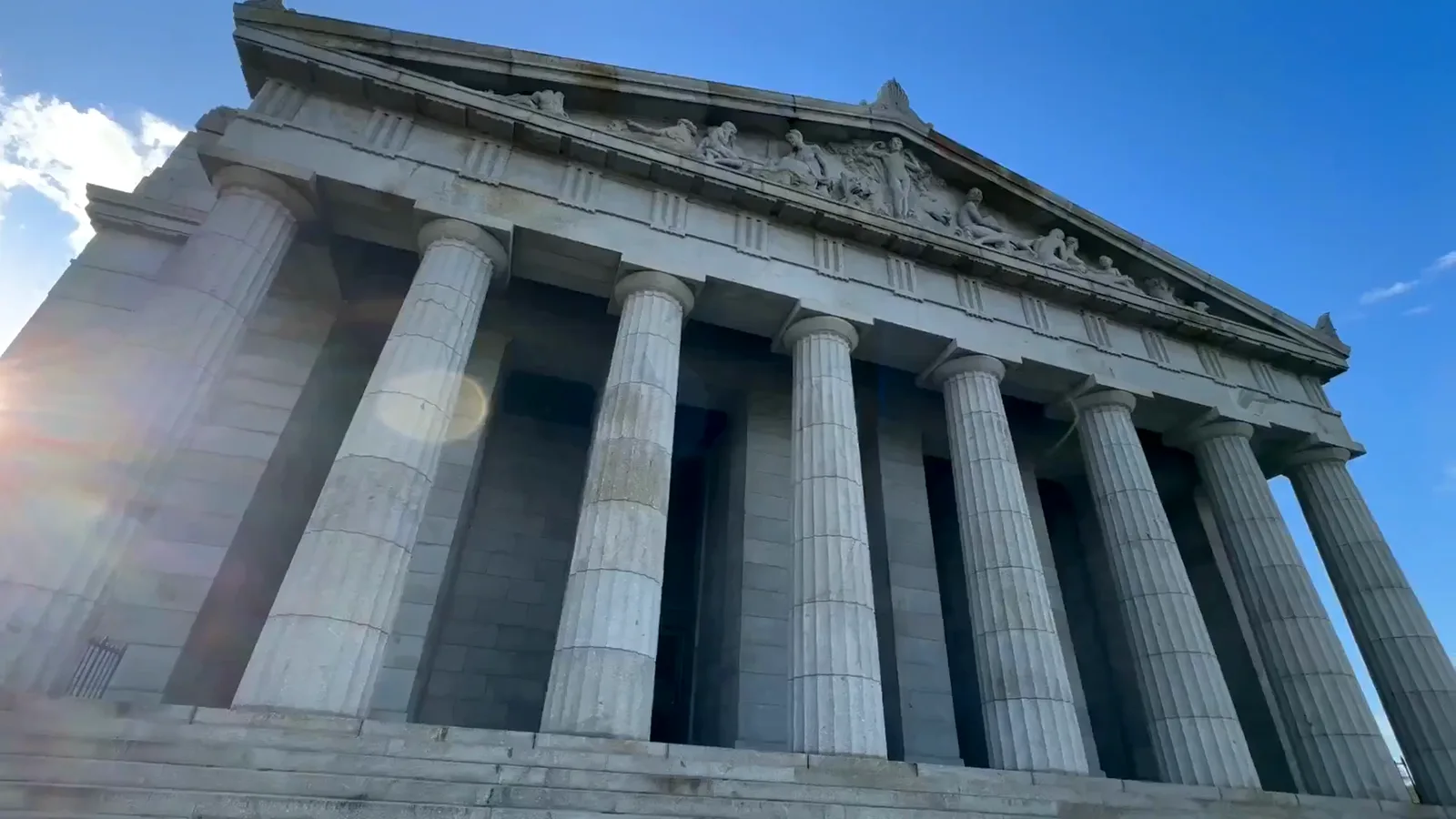
Through 2018 the regulatory noose tightened around the token market's favorite fundraising trick. In June, senior staffers at the U.S. Securities and Exchange Commission clarified a line that mattered enormously: Bitcoin and Ethereum were not securities — a huge green flag for the two flagship assets. Nearly everything else was another story. The SEC's position was that most ICOs were securities offerings sold without registration, and SEC chairman Jay Clayton said publicly that he had yet to see many tokens that didn't look like securities. For the projects that had raised billions on a white paper, that meant the wild-west era of 2017 was over; for Bitcoin and Ethereum, it meant regulators had, at least, decided what they were not.
Bitcoin and Ethereum got a pass. Almost every ICO did not. - 8
South Korea's exchanges get robbed twice in a month
In June the hacks came in a burst. First Coinrail, a South Korean exchange, lost about $40 million in ERC-20 tokens to intruders — around 30% of its reserves, most of which the team said were frozen or moved to cold wallets. Weeks later Bithumb, one of Korea's largest exchanges, was hit too: deposits and withdrawals were suspended, roughly $13 million was initially thought stolen, and the company pledged to cover losses from its own reserves. Bitcoin slid toward $6,800 in the days after — the hacks were not the only weight on the market, but each one reminded holders that a year of exchange failures, from Coincheck onward, had a running tab. Trust, once spent, was slow to refill.

The year's biggest robberies never needed a getaway car. - 9
The Fed was squeezing risk out of the system
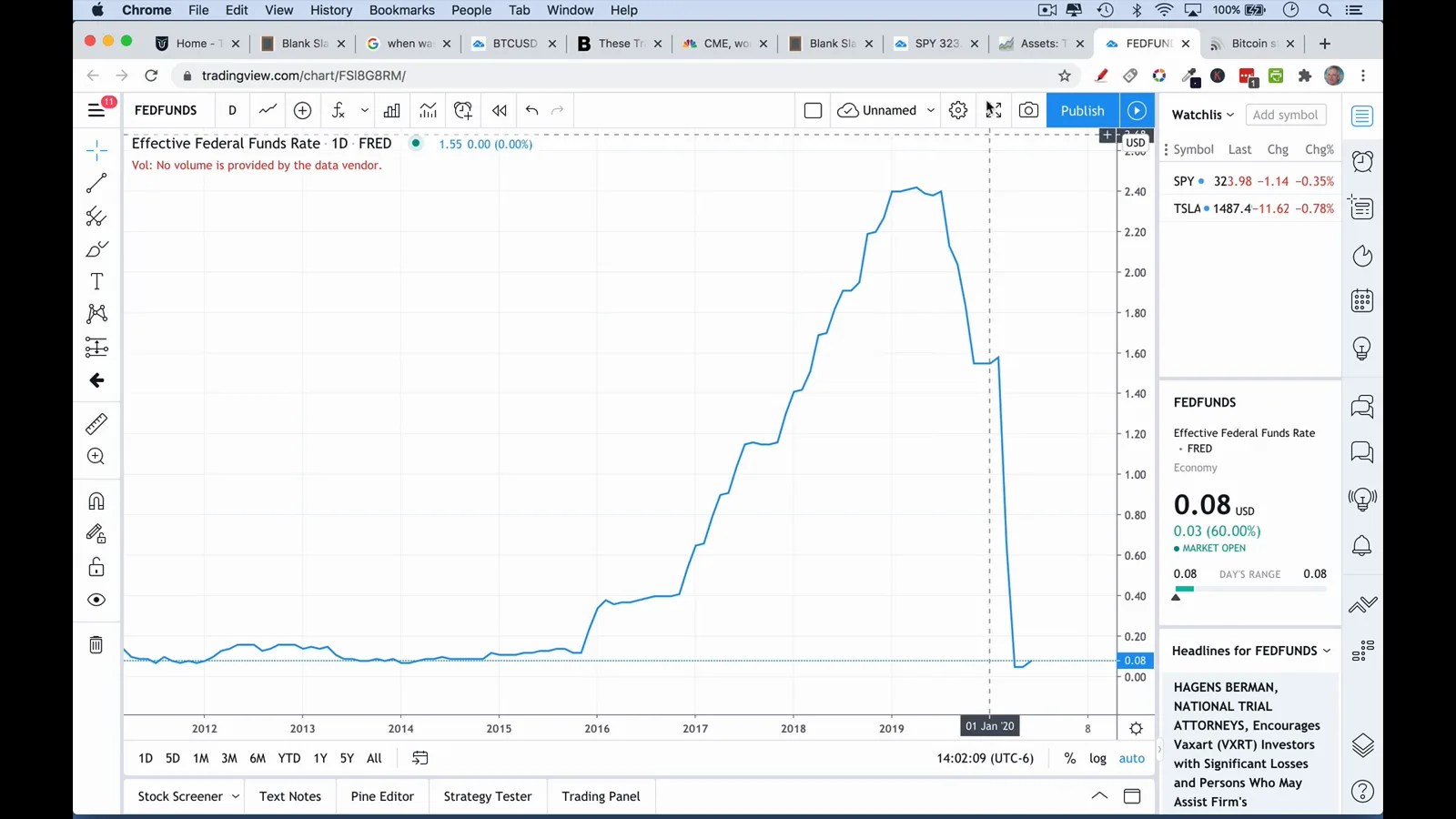
Crypto was not falling in a vacuum. From 2015–2016 onward the U.S. Federal Reserve had been raising interest rates, and through 2017 and 2018 the effective federal funds rate climbed from about 1.2% to 2.4%. Starting in late 2017 and early 2018 the Fed also began shrinking its balance sheet — letting bonds mature without reinvesting — draining liquidity from the financial system. That tightening pushed up borrowing costs, produced a mini bear market in bonds and, by the video's telling, made 2018 genuinely hostile for risk assets of every kind. Cheap money had inflated the mania of 2017; the expensive money that followed did the opposite. When the tide of liquidity goes out, the most speculative asset class on the board is left high and dry first.
While crypto bled, the Fed kept hiking.
November 2018: Civil War and Breakdown
The year's last act was self-inflicted: a coin split into two armies, and the level that had held for twelve months finally gave way.
- 10
The hash war: one coin, two armies
Bitcoin Cash — itself a 2017 fork of Bitcoin — split again on November 15, 2018. What was normally a routine twice-yearly upgrade turned into open war between two camps: Bitcoin ABC and Craig Wright's Bitcoin SV ('Satoshi Vision'), named for Wright's claim to be Satoshi Nakamoto himself. Each side mustered miners and money, and the fork produced two rival chains fighting over the same name. SV miners attacked the ABC chain by mining empty blocks and trying to orphan its blocks; the duel consumed enormous amounts of hash power while the whole industry watched live. By then Bitcoin Cash had already collapsed from over $4,000 to under $400 over the year — and the war over its corpse would help drag the rest of the market down with it.

One coin, two chains, and a war over hash power. - 11
The floor that held for a year gives way
For most of 2018, roughly $6,000 was Bitcoin's floor — tested again and again, and always defended. In mid-November, with the hash war draining attention and capital, and with the Fed's tightening making Q4 2018 the worst quarter of the year for the S&P 500 as well, the floor broke. Bitcoin sliced through $6,000 and kept going, and the altcoin complex — already down 80–90% — fell apart in its wake. Miners who had committed millions to hardware watched their machines sit idle as margins vanished. Hundreds of billions of dollars had left the crypto market cap over the year, and November was when the last hope of a soft landing died. From there, the market went looking for a bottom the ugly way.

When the floor broke, the machines went quiet.
The Bottom and the Survivors
December 15, 2018: $3,200, an 84% round trip, and the quiet start of everything that came next.
- 12
December 15, 2018: $3,200
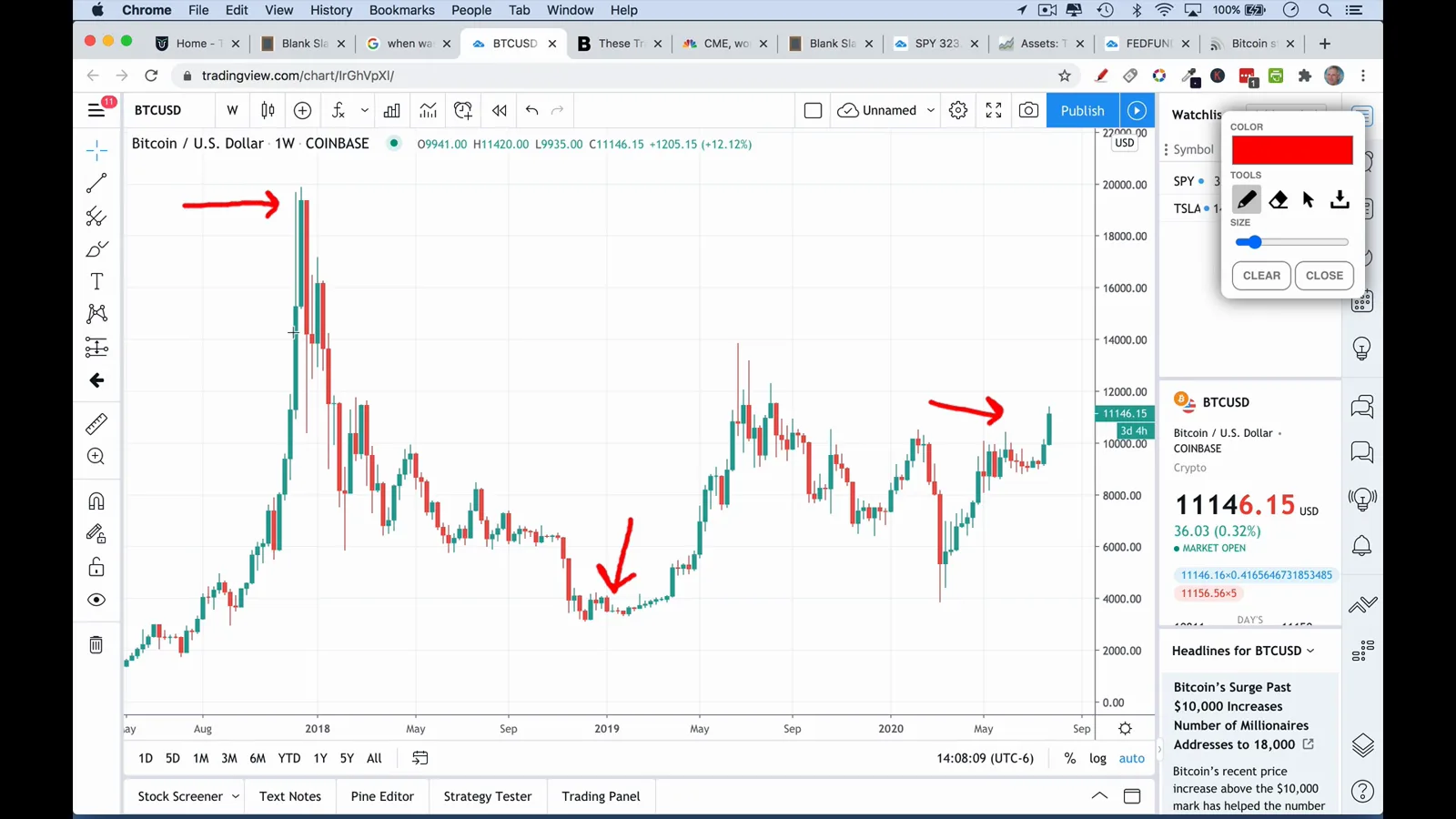
The low came quietly in mid-December: roughly $3,200, touched on December 15, 2018 — about 84% below the December 2017 peak and the lowest print in more than a year. Days later Bitcoin still traded around $3,489 on Coinbase, and technical watchers noted the low had landed almost exactly on the 200-week simple moving average, a level watched by every chart-reader in the market. Add it up: from about $19,600–$20,000 to about $3,200, with Ethereum down from $1,400 to a few hundred dollars and most tokens effectively buried. By the common estimate, roughly $830 billion of crypto market value — hundreds of billions even on conservative counts — had vanished since January. The winter had lasted almost exactly twelve months.
From the peak to the low: an 84% round trip. - 13
Capitulation: only the committed were left
One way to read the whole cycle is as an overshoot in both directions. Bitcoin spent late 2017 far above any measure of fair value — hence buyers paying a 100% premium for trust exposure — and models built around Bitcoin's issuance schedule showed price mean-reverting back toward the model line, then overshooting below it. That is what a capitulation looks like on a chart: not just a return to fair value, but a plunge past it as sellers give up entirely. By the depths of the winter, it was reasonable to assume almost no one who had bought the December 2017 top was still holding — the people without deep conviction had already sold to whoever wanted out. Markets bottom when the last forced seller has sold. That is what December 15, 2018 looked like.
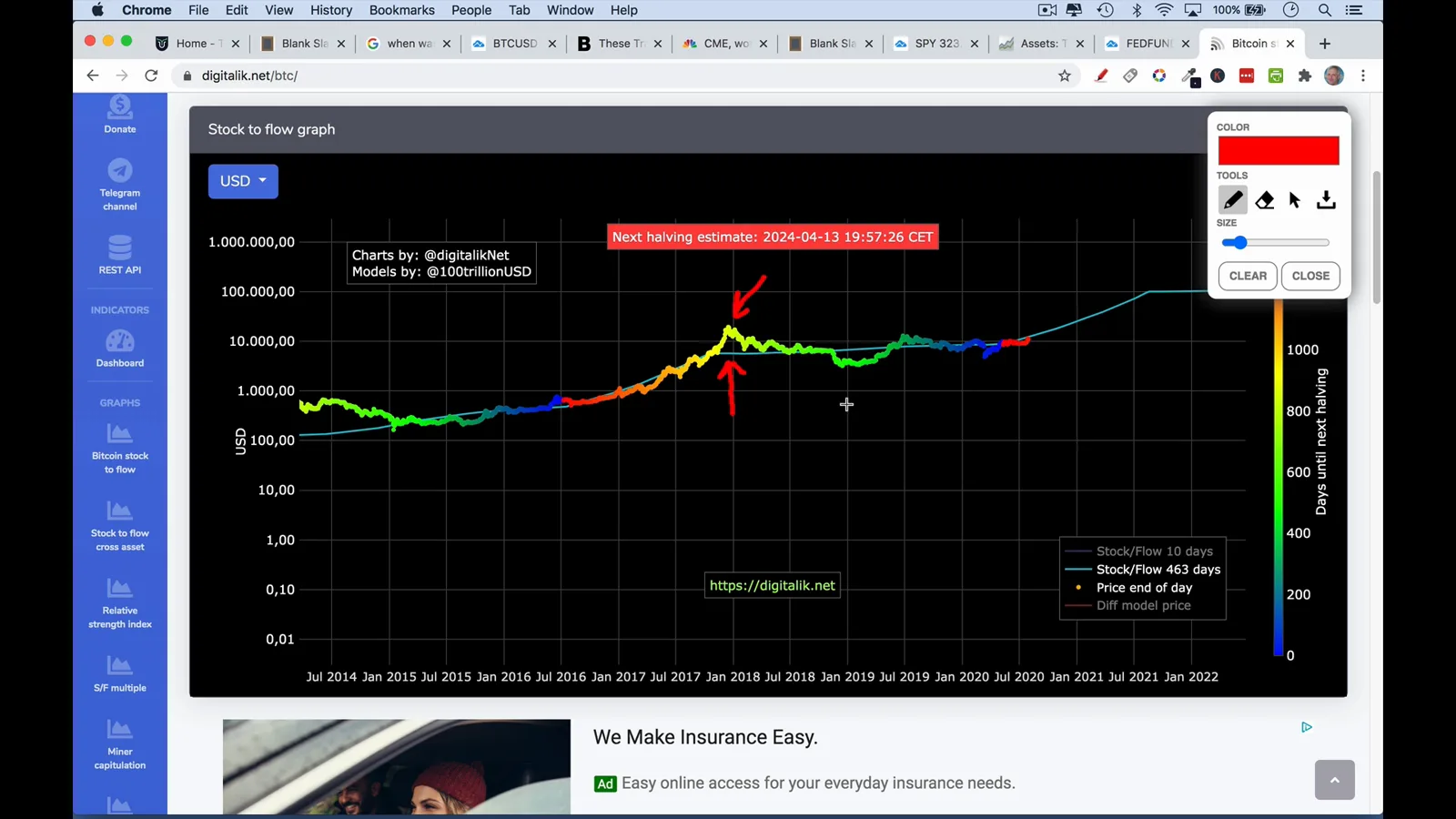
Far above fair value, then far below — overshoot in both directions. - 14
The builders who stayed
By mid-2018 the crypto winter was official: venture money dried up, startups shut down, and media coverage shifted from hype to obituary. But under the obituaries, work continued. 2018 became the year of mainnet launches — Tron, EOS, Tezos, VeChain and Ontology all shipped the networks they had promised during the ICO mania — and Ripple put its xRapid corridor into production. The Lightning Network, Bitcoin's second-layer scaling experiment, grew to roughly 4,900 nodes and 2,000 active channels with about 500 BTC of capacity by the year's end: tiny numbers, real progress. The winter's defining split was between projects that had only ever been a fundraiser and teams that used the quiet year to ship. The ledger doesn't care about headlines; it cares whether anyone is still writing to it.
The charts never stopped running. Neither did the builders. - 15
The winter that seeded the next spring
The end of the winter arrived with an unlikely companion: the U.S. stock market, which bottomed in late December 2018 at almost the same time as Bitcoin after its own brutal, Fed-driven Q4. And while mainstream media buried the asset class, institutions quietly slipped in — Nasdaq was preparing Bitcoin futures, Fidelity opened a digital-assets arm, and Bakkt, backed by Microsoft and Starbucks interests, was taking shape to let retailers touch crypto. The wish list for 2019 read like a spring schedule: Ethereum's Constantinople upgrade, Bakkt's launch, a VanEck/CBOE ETF attempt. None of it would have mattered without the teams that kept developing through the freeze — the same networks that fell from $1,400 and $20,000 became the foundations of the next bull run. Winters don't kill this market. They clear it.

Winter was long, but the work kept the light on.
Frequently Asked Questions
What caused the crypto winter of 2018?
How long did the crypto winter last?
How low did Bitcoin go in the 2018 crash?
When did Bitcoin recover from the 2018 crypto winter?
What exactly is a 'crypto winter'?
How is the 2018 winter different from the 2022 crypto winter?
Continue the Story
Mt. Gox Collapse: The Complete Timeline
Four years before the winter, Mt. Gox's 850,000 missing BTC caused the same pattern — a year-long bear market that only builders survived.
BitConnect: Anatomy of Crypto's Biggest Ponzi
The winter's first famous casualty: the 1%-a-day 'trading bot' shut down in January 2018, right as the mania inverted.
QuadrigaCX Collapse: The Crypto King Who Took the Keys
The winter's last victim: Canada's biggest exchange froze withdrawals in late 2018, then lost its founder — and 763,000 users' coins — in early 2019.
The Biggest Crypto Scams in History, Case by Case
Winters are when scams surface: how the ICO mania's OneCoins and BitConnects were exposed once the tide went out.
Bitcoin Halving History: The Four-Year Clock
The 2016 halving primed the 2017 mania and the 2018 winter — inside the four-year cycle that keeps setting crypto's seasons.
The Ethereum Merge
The chain that fell from $1,400 to $400 in the winter is the one that later reinvented its engine at the Merge.
Browse All Illustrated Guides
Every story in the blockchain history series, as step-by-step illustrated guides.
The History of Crypto Regulation
The SEC squeeze of 2018 was one act in a thirteen-year play — trace the whole regulatory timeline from FinCEN's first notice to the failed CLARITY vote.
References
Extended Multimedia Reference
Visual sequences and chronologies in this guide cross-reference video documentation “Crypto Winter 2018: When $830B Vanished Overnight” by Crypto Autopsy.
This illustrated guide is maintained strictly for educational, research, and historical documentation purposes. None of the materials constitute investment, financial, legal, or trading advice. Historical crisis and market events are documented from public archives. Digital assets involve significant risks.