The Biggest Crypto Scams in History, Explained in 16 Steps
In roughly a decade, fake coins, rigged wallets and "guaranteed" trading bots drained tens of billions of dollars from ordinary investors. This illustrated collection walks through the ten biggest crypto scams in history — from OneCoin's typed-in price charts to FTX's missing $8 billion — and the playbook every one of them copied.
10 minutes • 16 illustrated steps • In-depth historical chronology & technical analysis
Editorial Research & Chronological Archive
Independently synthesized and cross-verified by The Blockchain History Editorial Board using primary whitepapers, historical archives, and on-chain records.
What are the biggest crypto scams in history?
Ranked by dollars drained, the biggest crypto scams in history are: OneCoin, a coin with no blockchain whose price was typed into a computer, which conned investors in 175+ countries out of an estimated $4 billion or more; BitConnect, the "1% daily" lending Ponzi that collapsed in 2018 (roughly $2.4 billion by US prosecutors' count); PlusToken, a wallet app whose operators siphoned $2–3 billion through a web of private wallets; QuadrigaCX, where $190 million in customer funds sat in cold wallets only the dead founder could unlock; Africrypt, whose founders vanished with an estimated $3.6 billion in Bitcoin; FTX, where about $8 billion in customer funds were funneled to Alameda Research; and Thodex, whose CEO fled Turkey with about $2 billion. The same playbook runs through all of them: guaranteed returns, opaque custody, referral recruiting — then a vanishing act.
Key Takeaways
- OneCoin launched in 2014 when Dr. Ruja Ignatova branded herself the Cryptoqueen and sold the coin in over 175 countries — but the price was never set by a market: her team forged trading data and typed the value into a computer to fake a skyrocketing chart.
- BitConnect promised a guaranteed 1% return every single day from an AI trading bot that never existed; when regulators closed in, the site shut down overnight in early 2018, the token fell from hundreds of dollars to pennies, and founder Satish Kumbhani was indicted in February 2022 facing up to 70 years.
- PlusToken paid early users with new deposits while operators quietly drained billions in Bitcoin and Ethereum through an elaborate web of wallets — by the time investors realized, the stolen crypto, worth over $2–3 billion, had mostly vanished.
- QuadrigaCX founder Gerald Cotten died in India in 2019 as the only person with keys to $190 million in cold wallets; investigators found the wallets had been empty long before his death — he had been moving customer funds to personal accounts for years.
- FTX was valued at $32 billion at its peak while customer money was secretly funneled into Alameda Research for risky bets; Sam Bankman-Fried was sentenced to 25 years in prison in March 2024.
- The meme-token era industrialized the exit: the Squid Game token was programmatically blocked from selling before its developers pulled the rug, and the Save The Kids charity token was dumped by the very influencers who promoted it — the promised donations never happened.
The Ponzi Playbook: Why the Same Trick Keeps Working
Before the individual scams, learn the shared skeleton: a guaranteed yield, an opaque vault, and recruits who become salespeople. Every fraud in this guide runs some version of this loop.
- 1
The hook: a guaranteed return, every single day
BitConnect promised investors a guaranteed 1% return every single day, supposedly generated by an AI trading bot that exploited crypto market fluctuations. The mechanics were simple: deposit Bitcoin, receive BitConnect coins, then lend them back to the platform and watch the dashboard climb. But a guaranteed yield is the oldest red flag in finance — real markets fluctuate, and the phrases "guaranteed" and "no risk" cannot honestly appear in the same sentence. OneCoin, PlusToken and Hyperverse all sold their own version of this same impossible promise.

"Guaranteed" and "no risk" should never appear in the same pitch. - 2
The engine: referral bonuses that recruit your victims
PlusToken's pitch — huge returns just for holding coins, with no trading or risk required — came wrapped in referral bonuses that paid users for bringing in friends. Recruitment turns victims into the sales force: every new deposit pays the recruiter above it, which is why thousands of people across Asia promoted the app with genuine conviction. Save The Kids rode the same dynamic through influencer hype, and Hyperverse asked users to literally stake tokens and refer friends. When a platform's growth depends on new signups rather than a real product, the deposit ledger is the business model.

Every money bag held overhead is paid by the recruit below.
Fake Coins and Painted Prices: OneCoin and BitConnect
The two frauds that defined the genre — one sold a cryptocurrency that never existed, the other promised a miracle bot that never traded.
- 3
2014: the Cryptoqueen takes the stage
In 2014, Dr. Ruja Ignatova emerged branding herself the crypto queen and promised that OneCoin would be bigger than Bitcoin. Ordinary people believed they were getting in on the ground floor of the next big thing: investors poured in from over 175 countries, seminars sold out, and people emptied their savings as the price of OneCoin kept climbing. She packaged herself as a visionary with credentials — a philosophy doctorate, a glittering stage presence — and the excitement fed itself. What the crowds at those seminars never saw was where the price actually came from.

The Cryptoqueen sold a future that Bitcoin never promised. - 4
The numbers were typed, not traded
Here is the kicker the video drives home: OneCoin's price was fake. Ignatova and her team forged trading data, artificially inflating the value to keep investors hooked — the price was not set by any market, it was typed into a computer to look like it was skyrocketing. Seminars projected charts of where OneCoin would be "in 3 years." Behind the glamorous facade sat a classic Ponzi: early investors were paid with new money while Ignatova pocketed billions — US prosecutors put investor losses at roughly $4 billion or more, on a coin that never traded on any real exchange.
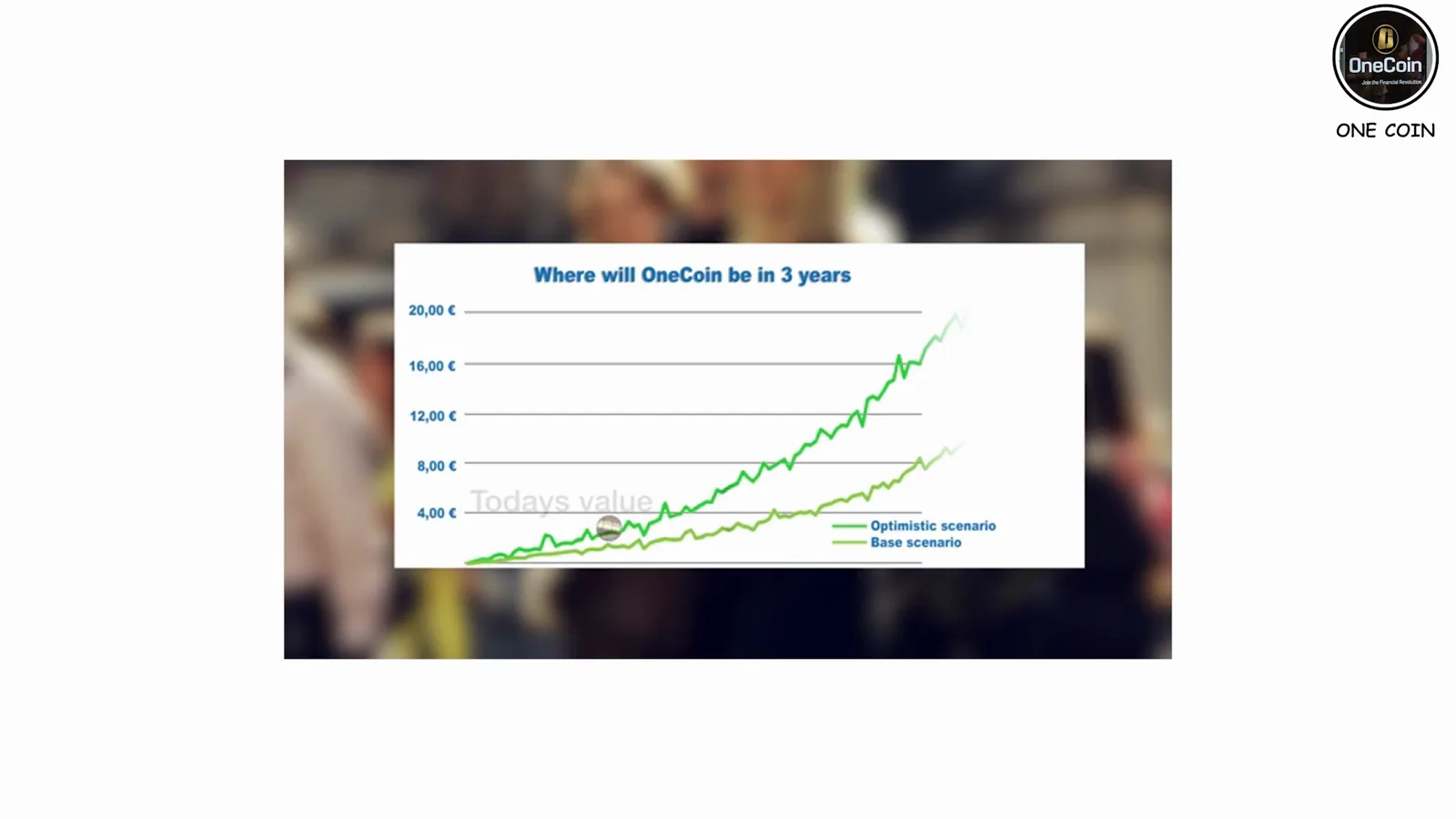
The price wasn't discovered by a market — it was typed in. - 5
2017: the plane to Athens
In 2017, as investigators closed in, Ruja boarded a plane to Athens and vanished without a trace. The FBI placed her on its Ten Most Wanted list — the first woman ever added — but years later she is still a ghost, and the billions she stole are gone with her. Her disappearance turned OneCoin into crypto's greatest open mystery: every alleged sighting becomes news, and the question of whether she is alive, protected, or long gone remains unanswered. Her brother Konstantin, who took over, pleaded guilty to fraud in the US; co-founder Sebastian Greenwood drew 20 years.

2017: Athens was the Cryptoqueen's last known stop. - 6
BitConnect: the scream heard around the crypto world
In 2016 BitConnect claimed its AI trading bot could deliver a guaranteed 1% daily return, and the hype was unreal: conferences were packed, influencers pushed it, and "the BitConnect guy" screamed the name on stage like a man possessed — a moment that remains crypto's most famous meme. Investors watched dashboards showing skyrocketing numbers, believing they were on the fast track to wealth. There was no miracle bot; the numbers were manipulated to keep everyone hooked. Our separate BitConnect guide follows the full collapse, the indictments and the promoters — for this collection, note the pattern: same promise, same fake dashboard, same ending.

The loudest sales pitch in Ponzi history — and it worked.
When the Vault Is the Scam: PlusToken and QuadrigaCX
Both cases promised to safely hold your coins. Both kept the ledgers fake and the keys private — until the withdrawals stopped.
- 7
PlusToken: hold coins, earn returns, no risk required
In 2018 a crypto wallet called PlusToken hit the market dressed up as the next breakthrough in digital finance. It promised users huge returns just for holding coins — no trading or risk required — and with its sleek app, referral bonuses and the illusion of cutting-edge innovation, it looked legitimate. Millions of investors across Asia bought in, convinced they were early adopters of something revolutionary, and every day the numbers on their screens climbed higher, delivering the thrill of wealth creation. None of it was real: the app was forging balances, not earning returns.

A wallet that pays you is a wallet you should question. - 8
Draining billions through a web of wallets
Just like the scams before it, PlusToken's numbers weren't real — balances were artificially inflated to keep users hooked while, behind the scenes, the operators quietly drained the platform, moving billions in Bitcoin, Ethereum and other coins through an elaborate web of wallets to cover their tracks. By the time investors realized the truth, the money was gone: stolen crypto worth over $2–3 billion mostly vanished into the market. Authorities eventually caught some members of the group — Chinese courts sentenced the ringleaders — but most victims never recovered their funds.
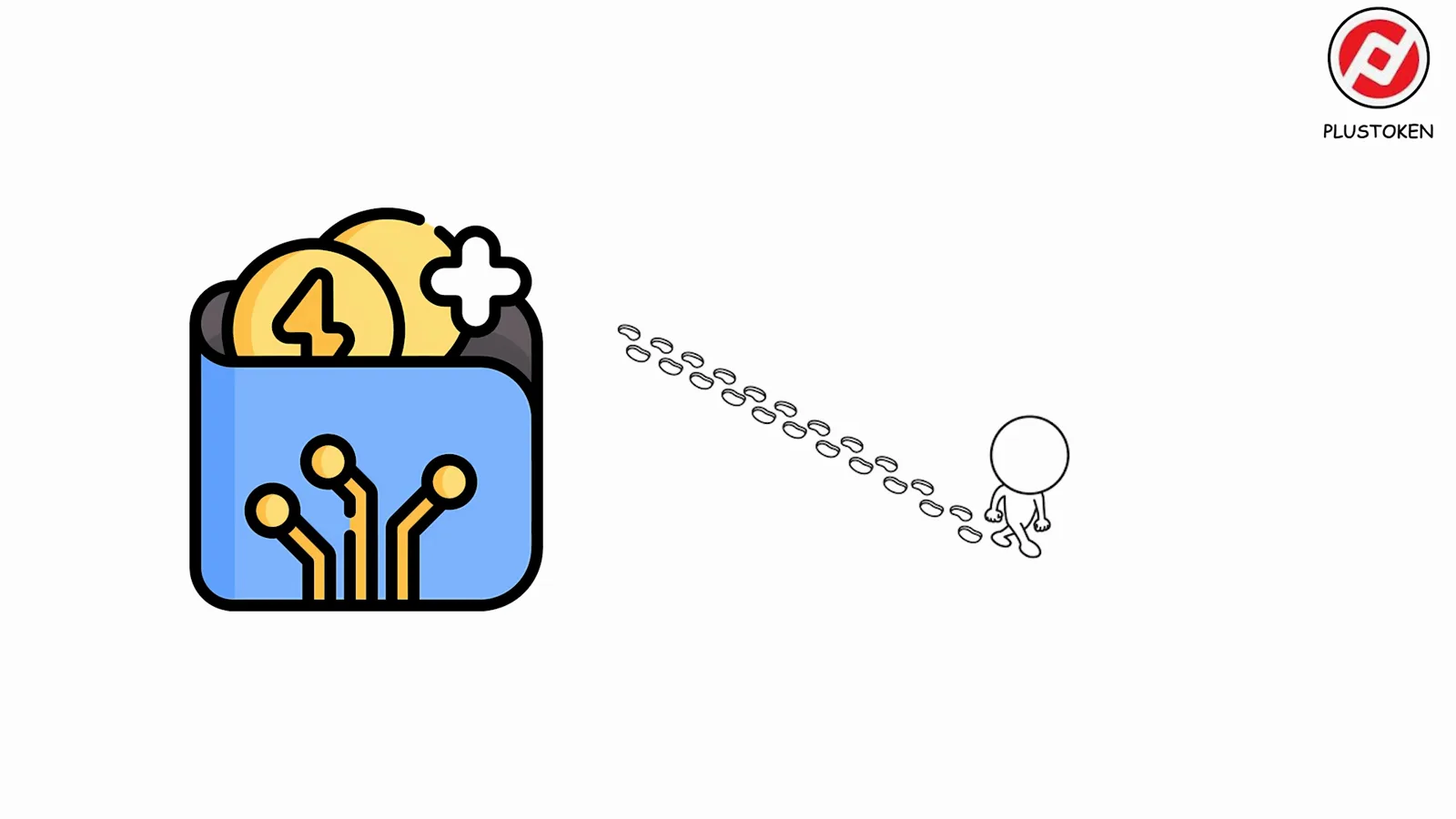
Balances climbed on screen while the wallets emptied behind the app. - 9
QuadrigaCX: the founder who took the keys to the grave
In 2019, users of QuadrigaCX — Canada's largest crypto exchange — suddenly found themselves locked out. Withdrawals froze without warning, and then came the shocking announcement: founder Gerald Cotten had died suddenly in India from complications related to Crohn's disease, and he had been the only person with access to the cold wallets supposedly holding $190 million of customer funds. Investigators uncovered an unsettling truth: the wallets were empty long before his death. Cotten had been secretly moving funds to personal accounts and other exchanges for years — a Ponzi running under the guise of a legitimate business. Whether he faked his death remains a mystery; the money was never recovered.

The only keyholder — or so the exchange claimed.
Vanishing Founders: Africrypt, FTX and Thodex
Trust built over years, cashed out in a weekend. Three operations where the people at the top simply disappeared — or almost did.
- 10
Africrypt: a "hack," a warning not to call police, then silence
In South Africa in 2021, two young brothers, Ameer and Raees Cajee, ran Africrypt, a platform promising sky-high returns too good to ignore. With slick marketing they lured in millions in Bitcoin from investors eager to ride the crypto wave. Then investors received a message: Africrypt had been hacked and was shutting down, and users were warned not to involve authorities because it might slow the recovery — the first red flag. The second: the brothers vanished. Phones dead, offices emptied, online presence erased, they disappeared along with an estimated $3.6 billion worth of Bitcoin — one of the largest crypto heists ever alleged.

Brothers, founders, ghosts — last seen in 2021. - 11
FTX: the genius everyone trusted
FTX was a crypto exchange founded by Sam Bankman-Fried — SBF — that at its peak was valued at a staggering $32 billion. Celebrities endorsed it, politicians praised it, and investors believed it was the safest place to trade crypto. SBF was hailed as a genius and became the face of crypto's legitimacy: the disheveled hair, the hoodie, the congressional testimony. Behind the persona, customer funds were secretly being funneled into Alameda Research, his private trading firm, where they funded risky bets and absorbed massive losses. Trust, it turned out, was the product being sold.
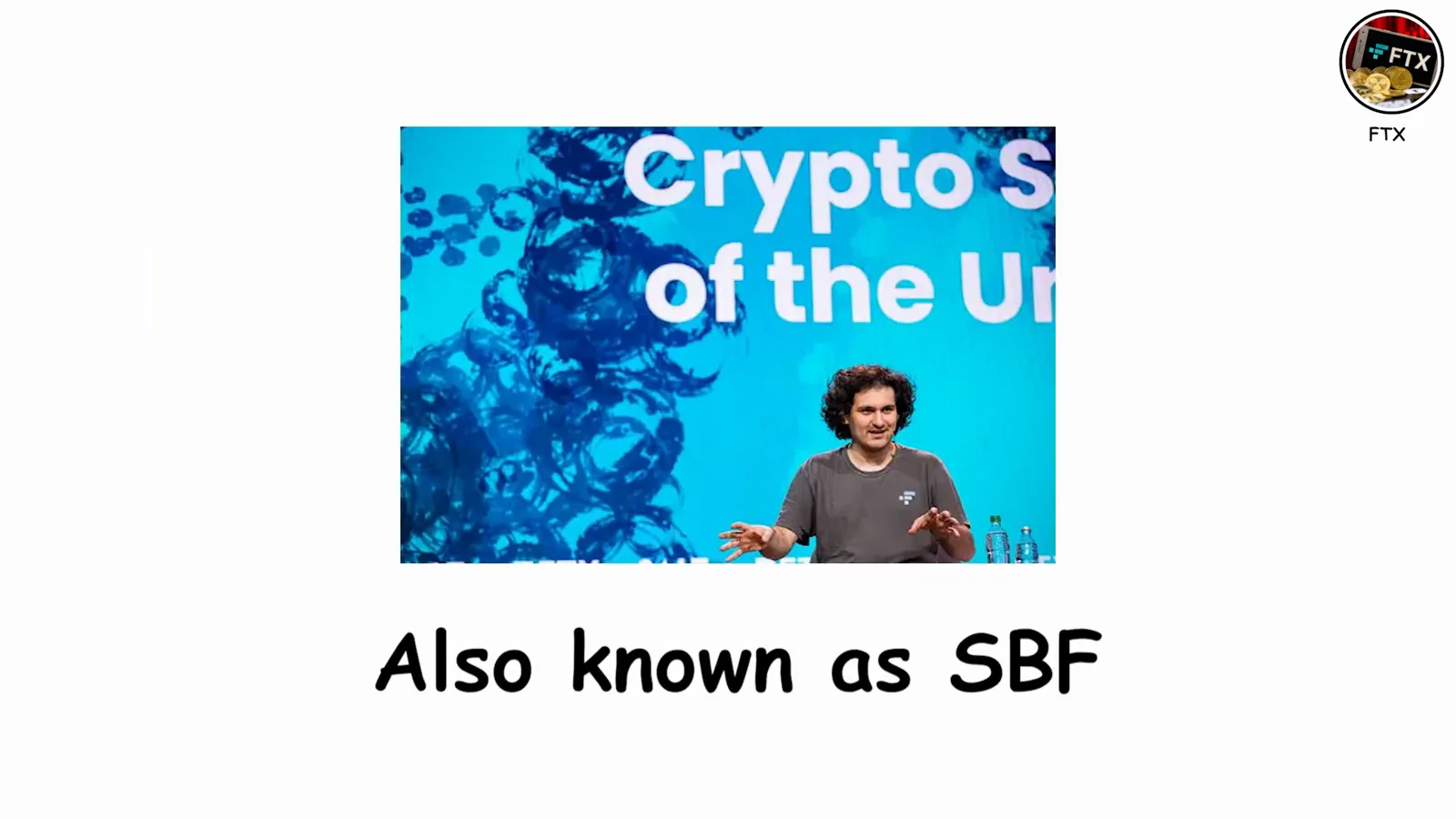
The hoodie years: when FTX looked like crypto's safe pair of hands. - 12
November 2022: the truth, the panic, the 25 years
In November 2022 the funnel from FTX to Alameda became public, and the revelation triggered panic across the entire crypto industry — exchanges froze withdrawals, and the contagion claimed lenders and funds far beyond FTX. Billions in customer funds were gone. SBF was arrested, extradited from the Bahamas, and charged with fraud on a massive scale; in March 2024 he was sentenced to 25 years in prison for misappropriating customer funds and defrauding investors. Even a $32 billion valuation, celebrity endorsements and political friendships could not change the arithmetic of money that was never really there.
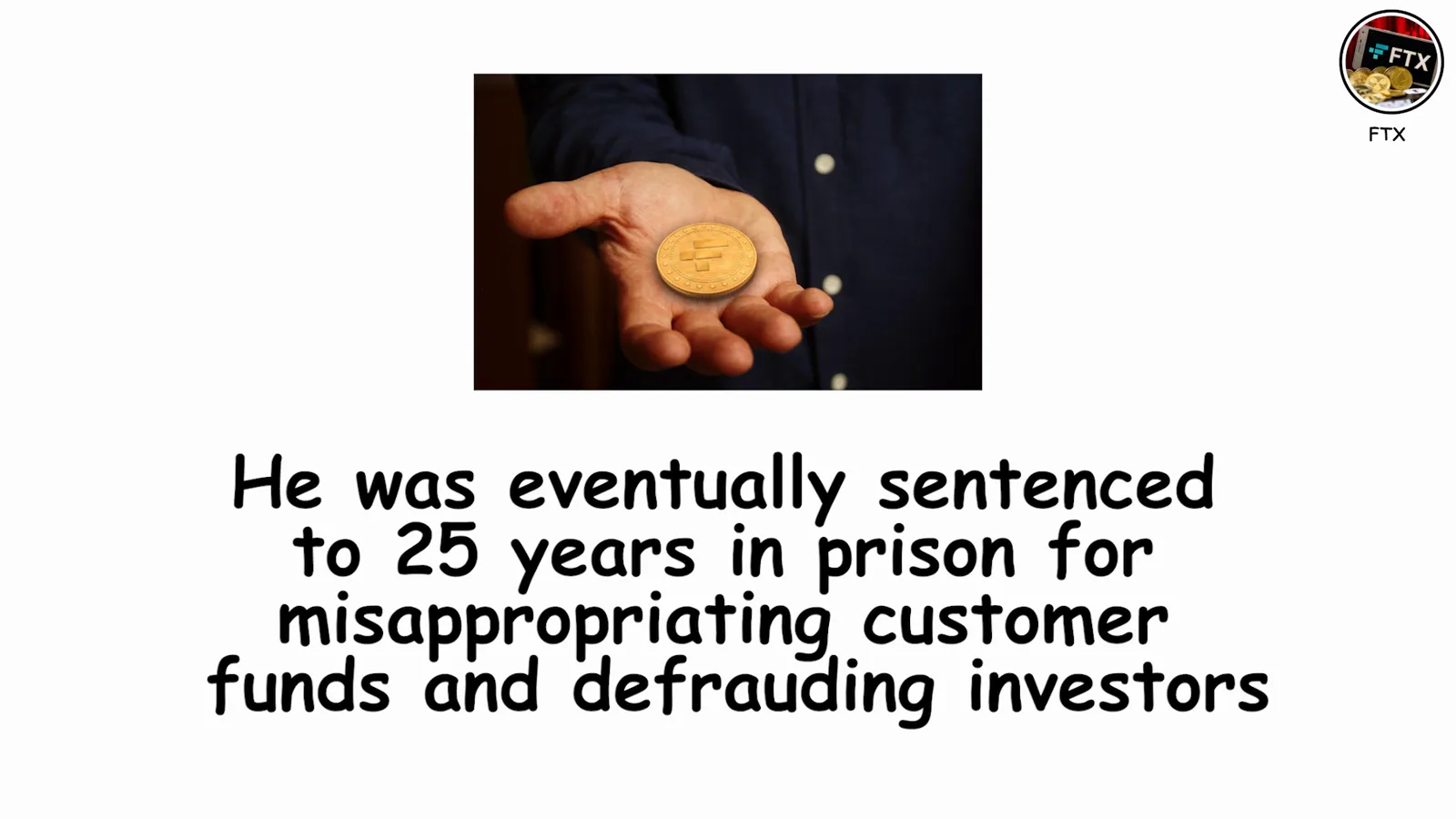
The sentence that closed crypto's biggest fraud case — so far. - 13
Thodex: overnight freeze, $2 billion, one runaway CEO
Thodex was a Turkish crypto exchange thriving in 2021, attracting thousands of users with promises of low fees, bonuses and special promotions — including a giveaway of millions of tokens for new signups. Then, without warning, trading froze overnight: users logged in to find funds locked and withdrawals disabled, while CEO Faruk Özer was missing. Authorities discovered he had fled the country with over $2 billion in investor funds, reportedly hopping between countries for months to evade capture. He was eventually caught in Albania and extradited to Turkey — but while authorities got their man, the stolen billions were never recovered.

Caught in Albania — the $2 billion never came home.
Rug Pulls and Meme Tokens: From Squid Game to Save The Kids
The final evolution needs no fake bot and no offshore vault — just hype, a sell button that doesn't work, and an exit timed to the peak.
- 14
Squid Game token: a Netflix hit becomes bait
After Netflix's Squid Game took the world by storm in 2021, scammers launched a Squid Game token claiming it was tied to an upcoming play-to-earn game inspired by the series. Social media buzzed about it, news outlets covered it, and fear of missing out drove investors to buy in. The coin had no connection to Netflix or the show's producers — only the branding. Riding the most-watched show on the planet, the token went from pennies to an astonishing $2,800 per token in about a week, and still the buying continued, because everyone believed the game was coming.

Merch-grade branding for a token you could never sell. - 15
The rug pull: when selling is programmed to fail
There was a catch: investors couldn't sell. The developers had programmed the token to block sales, trapping holders as the price soared — a one-way market is the purest red flag a token can show. Then came the rug pull: the developers dumped their tokens, drained the liquidity pool, and disappeared into the shadows. Within minutes the price collapsed to nearly zero, wiping out millions of dollars in investor funds. The Squid Game token made the mechanics of a rug pull famous: hype the launch, lock the exits, pull the liquidity, vanish — a playbook since repeated by thousands of meme tokens.

When developers control the sell button, holders are hostages. - 16
Save The Kids: charity as the marketing plan
Save The Kids coin, launched in 2021, promised to change the world by donating a portion of every transaction to children's charities — turning every trade into an act of kindness. Social media lit up with endorsements from young influencers, and investors rushed in. Shortly after launch, the insiders and influencers who had hyped the token dumped their holdings in a textbook pump-and-dump: the price plummeted almost instantly, wiping out everyday investors' savings, and the promised charity donations never happened. The metaverse scheme Hyperverse ran the same con at scale — no real product, returns from new recruits — until it collapsed by 2023 and co-founder Sam Lee was charged with fraud.

Charity was the marketing; the dump was the business model.
Frequently Asked Questions
What was the biggest crypto scam ever?
Is BitConnect a scam?
How do I spot a crypto Ponzi scheme?
Did anyone go to jail for OneCoin?
What is a rug pull?
What happened to Thodex's founder?
Continue the Story
BitConnect Collapse: Anatomy of a 1%-a-Day Ponzi
The deepest spoke of this hub: the full BitConnect timeline, from the lending dashboard to the indictments.
Mt. Gox Collapse: The Complete Timeline
Crypto's first great failure — 850,000 missing BTC and a decade of repayments.
The DAO Hack, Explained
Not a scam but an exploit: how 3.6 million ETH were drained and Ethereum split in two.
A History of Smart Contracts
Rug pulls live in smart contract code — understand the technology scammers abuse.
Bitcoin History: The Complete Guide
The real innovation every fake coin claimed to be copying.
The Blockchain History Timeline
Every boom and bust from the genesis block to the FTX collapse, in one view.
QuadrigaCX: The Crypto King Mystery
The deep dive behind case #8: fake accounts named after droids, empty cold wallets and a Ponzi ruling.
References
Extended Multimedia Reference
Visual sequences and chronologies in this guide cross-reference video documentation “Every Major Crypto Scam Explained in 10 minutes” by The Financial Archives.
This illustrated guide is maintained strictly for educational, research, and historical documentation purposes. None of the materials constitute investment, financial, legal, or trading advice. Historical crisis and market events are documented from public archives. Digital assets involve significant risks.