QuadrigaCX Collapse: The Crypto King Who Took the Keys
Canada's largest crypto exchange lost its founder to a sudden death in India — and with him, the only passwords to $190 million in customer funds. The cold wallets, investigators found, had been empty for months.
9 minutes • 15 illustrated steps • In-depth historical chronology & technical analysis
Editorial Research & Chronological Archive
Independently synthesized and cross-verified by The Blockchain History Editorial Board using primary whitepapers, historical archives, and on-chain records.
What happened to QuadrigaCX?
QuadrigaCX was Canada's largest Bitcoin exchange. On December 9, 2018, its 30-year-old founder Gerald Cotten died of Crohn's disease complications while on his honeymoon in Jaipur, India — and he was the only person who knew the passwords to the exchange's cold wallets. On January 31, 2019, his widow announced the exchange could not reach about C$250 million (US$190 million) owed to roughly 115,000 users. Court-appointed monitor Ernst & Young then found the cold wallets had been drained to zero by April 2018, months before Cotten died: the money wasn't locked away, it was already gone — squandered trading customer crypto on other exchanges while fake 'Quad Buck' balances kept the platform looking solvent. Canada's OSC concluded in 2020 that Cotten had run it like a Ponzi scheme; in 2023 creditors recovered just 13 cents on the dollar.
Key Takeaways
- QuadrigaCX was founded in Vancouver in 2013 by Gerald Cotten and Michael Patryn and grew into Canada's largest Bitcoin exchange — despite having no bank account, no accountant and no board of directors.
- On December 9, 2018, Cotten died of Crohn's disease complications in Jaipur, India, aged 30 — twelve days after signing a will that left everything, including a trust for the couple's two chihuahuas, to his wife Jennifer Robertson.
- The January 31, 2019 court filing revealed QuadrigaCX owed about 115,000 users roughly C$250 million (US$190 million) in crypto and cash — and that Cotten had been the sole holder of the cold-wallet keys.
- Ernst & Young's on-chain review found the cold wallets had been drained to nil by April 2018, eight months before the death; the only coins recovered were about 104 BTC that users accidentally sent afterward, and roughly 26,000 BTC were unaccounted for.
- The OSC's June 2020 report concluded QuadrigaCX collapsed because of fraud run like a Ponzi scheme: Cotten traded fake balances against real customers from at least 14 alias accounts, driving about $115 million of the losses in a shortfall of about $169 million.
- After five years of estate administration, EY's first interim dividend in 2023 paid creditors about 13 cents on the dollar; no one was ever charged, and Cotten's body was never exhumed.
The Rise: Canada's Door to Crypto
Before it was a cautionary tale, QuadrigaCX was the easiest place for Canadians to buy Bitcoin — run, it turns out, by two men with secrets.
- 1
2013: the friendly on-ramp
In 2013, Gerald Cotten and Michael Patryn founded Quadriga FinTech Solutions in Vancouver; the online exchange went live the following year. Cotten, a young accountant with a business degree and a genuine enthusiasm for Bitcoin, became the friendly public face of Canadian crypto. As the 2017 bull run took hold, QuadrigaCX grew into the country's largest exchange — the default way for Canadians to turn dollars into Bitcoin, and one of the few platforms that made fiat deposits easy.
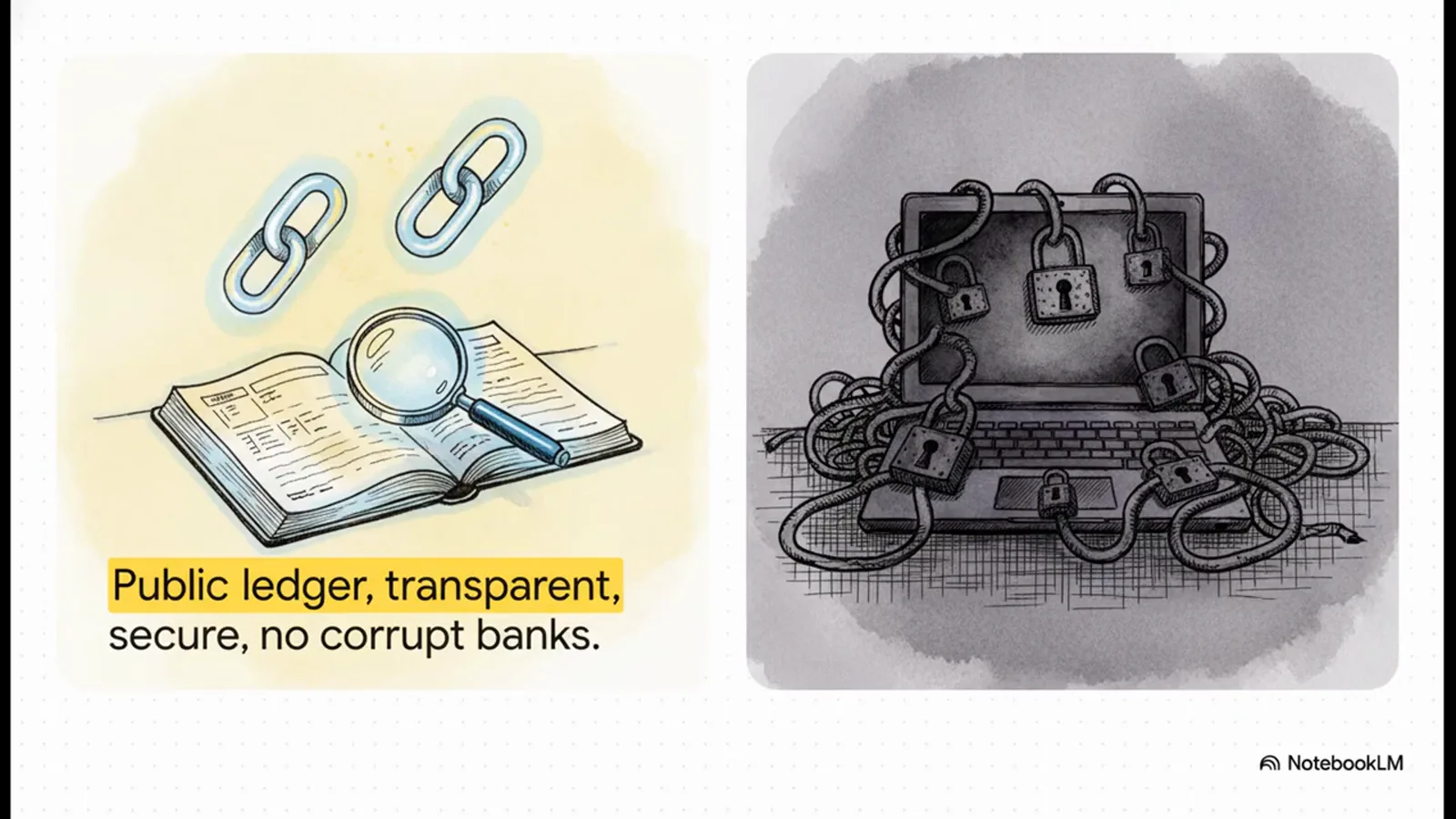
The pitch was transparency. The reality was one encrypted laptop. - 2
The co-founder's other name
The man known as Michael Patryn had, investigators found, lived as Omar Dhanani: a member of the ShadowCrew identity-theft ring who served about 18 months in a US federal prison for dealing in stolen IDs before being deported to Canada in 2007. He and Cotten had met as teenagers on high-yield investment forums, where Cotten's own 'S&S Investments' promised 100% returns in 48 hours; the pair later ran Midas Gold, a payment processor for the Liberty Reserve money-laundering network. Patryn quietly left Quadriga's board in 2016.
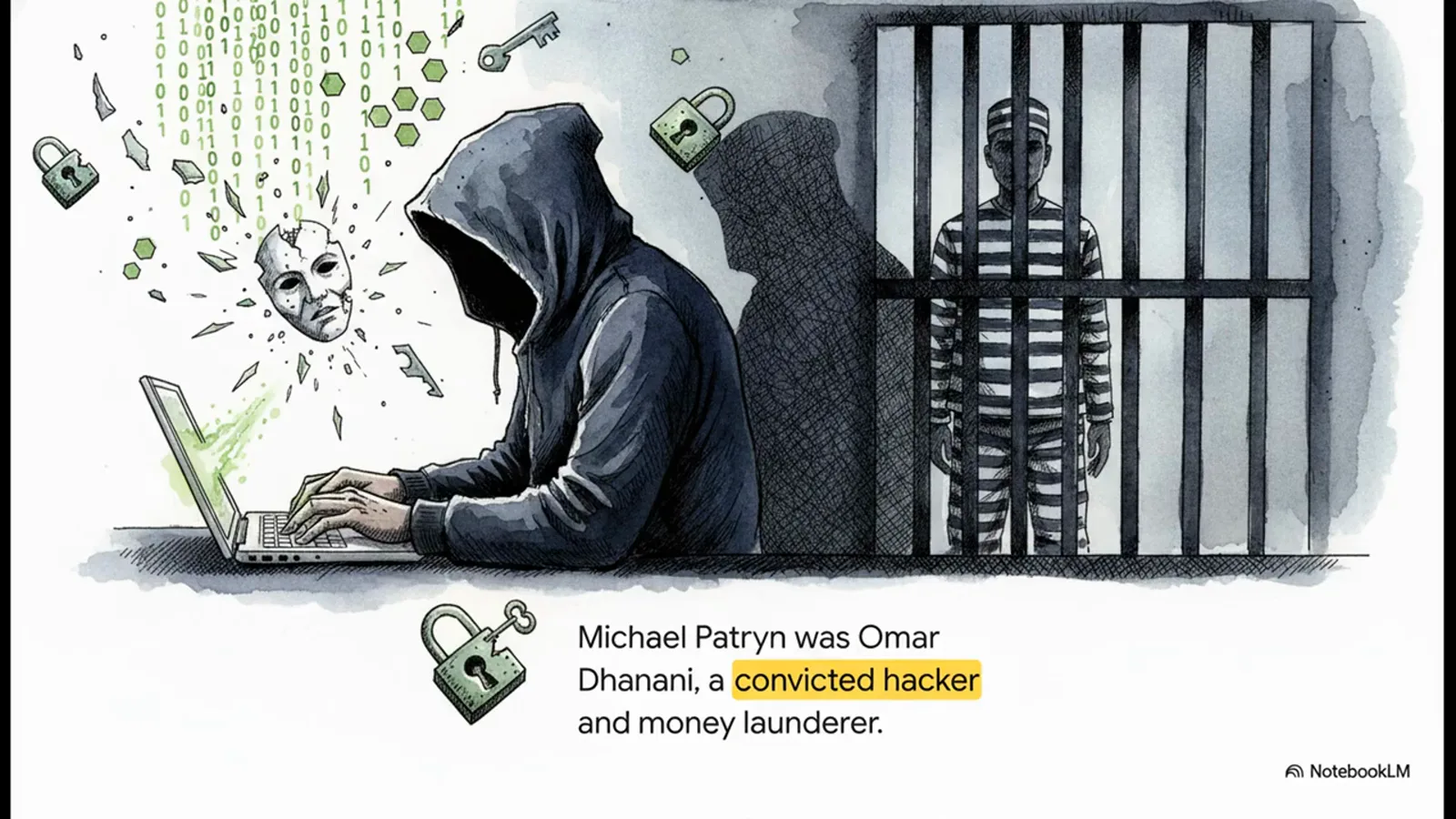
The other founder's past was hiding in plain sight.
Cracks Before the Fall
The warnings were public for over a year: lost Ethereum, frozen bank accounts and withdrawals that took weeks.
- 3
A billion-dollar market on one laptop
At its peak QuadrigaCX handled a huge share of Canada's crypto trading, yet its founder ran the whole operation alone from his home in Nova Scotia. There was no board, no accountant, no bank account and — as Ernst & Young later told the court — not even basic internal controls. User balances lived as entries in an internal ledger, and the fiat rails depended on third-party payment processors of dubious reputation. Customers were, in effect, trusting one man's database with their savings.
What looked like a platform was one man's private ledger. - 4
2018: the cracks go public
The trouble surfaced in June 2017, when Quadriga admitted it had lost about C$14 million in Ethereum to a smart-contract error. Then Canada's largest bank, CIBC, froze roughly C$26 million held by the exchange's payment processors because it could not establish who the money really belonged to. Through 2018, fiat withdrawals that once took days stretched into weeks, and Bitcoin on Quadriga traded at a stubborn premium to other exchanges — the classic warning sign of a market that cannot cover its own books.
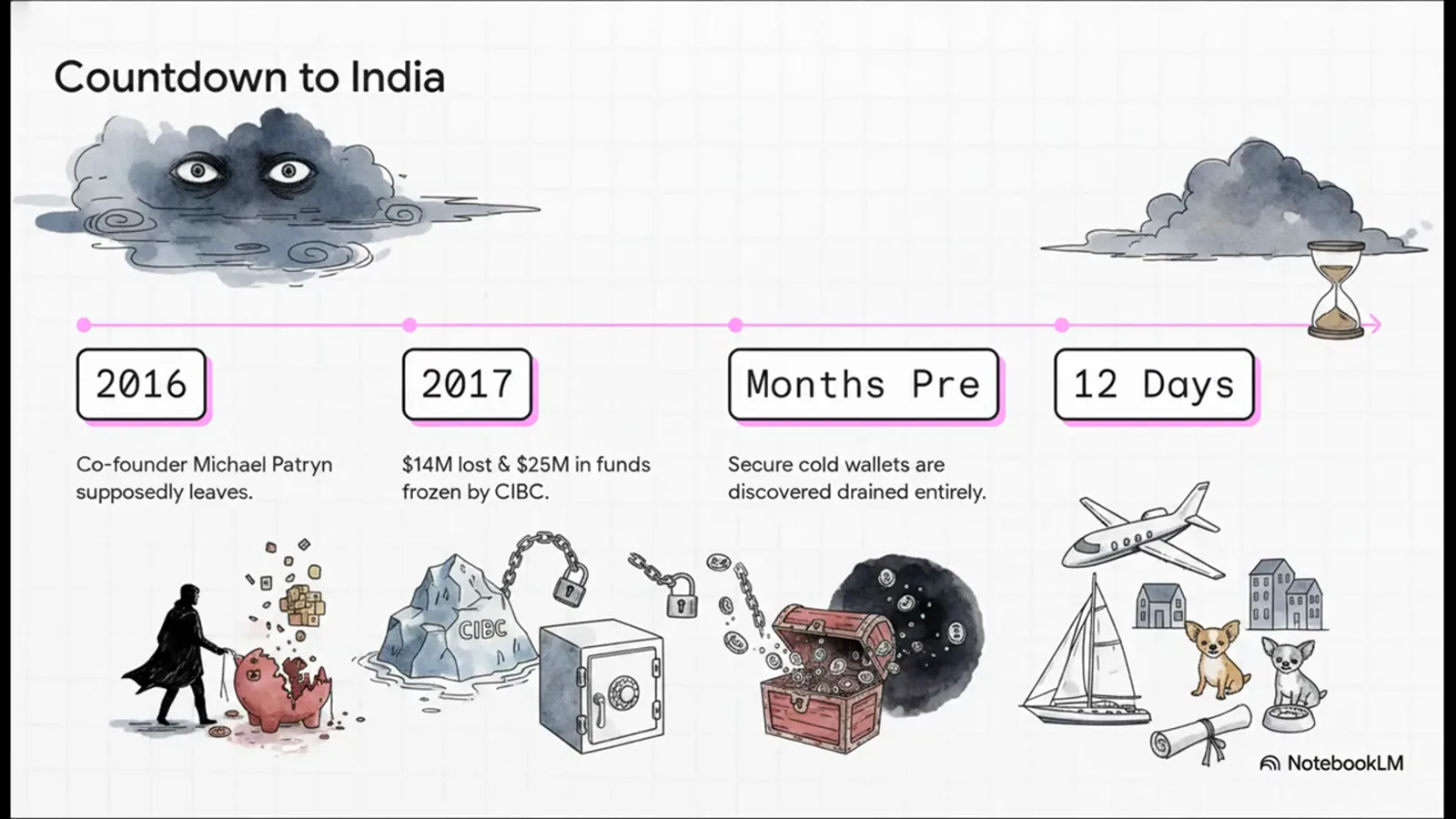
The timeline investigators would later circle in red.
Death, and a Digital Tombstone
One man held the keys. In December 2018 he died — and in January, 115,000 users learned what that meant.
- 5
December 9, 2018: Jaipur
Twelve days after signing a will that left everything to his wife — a plane, a 51-foot yacht, more than a dozen properties and a C$100,000 trust for their two chihuahuas — Cotten and Jennifer Robertson flew to India, officially to open an orphanage. There, during their honeymoon, he died of complications from Crohn's disease on December 9, 2018, at age 30. He was, the exchange would soon confirm, the only person who knew the passwords to QuadrigaCX's cold wallets.

The honeymoon that became crypto's strangest plot point. - 6
January 31, 2019: the announcement
Weeks after the funeral — while users were still depositing coins — the QuadrigaCX website became a digital tombstone: the founder was dead and the cold wallets were inaccessible. In a sworn affidavit filed January 31, 2019 alongside a creditor-protection filing, Robertson said the exchange owed about 115,000 users roughly C$250 million, split between C$180 million in crypto and C$70 million in cash — and that Cotten alone had held the keys, on an encrypted laptop only he could unlock. The hot wallets held almost nothing.
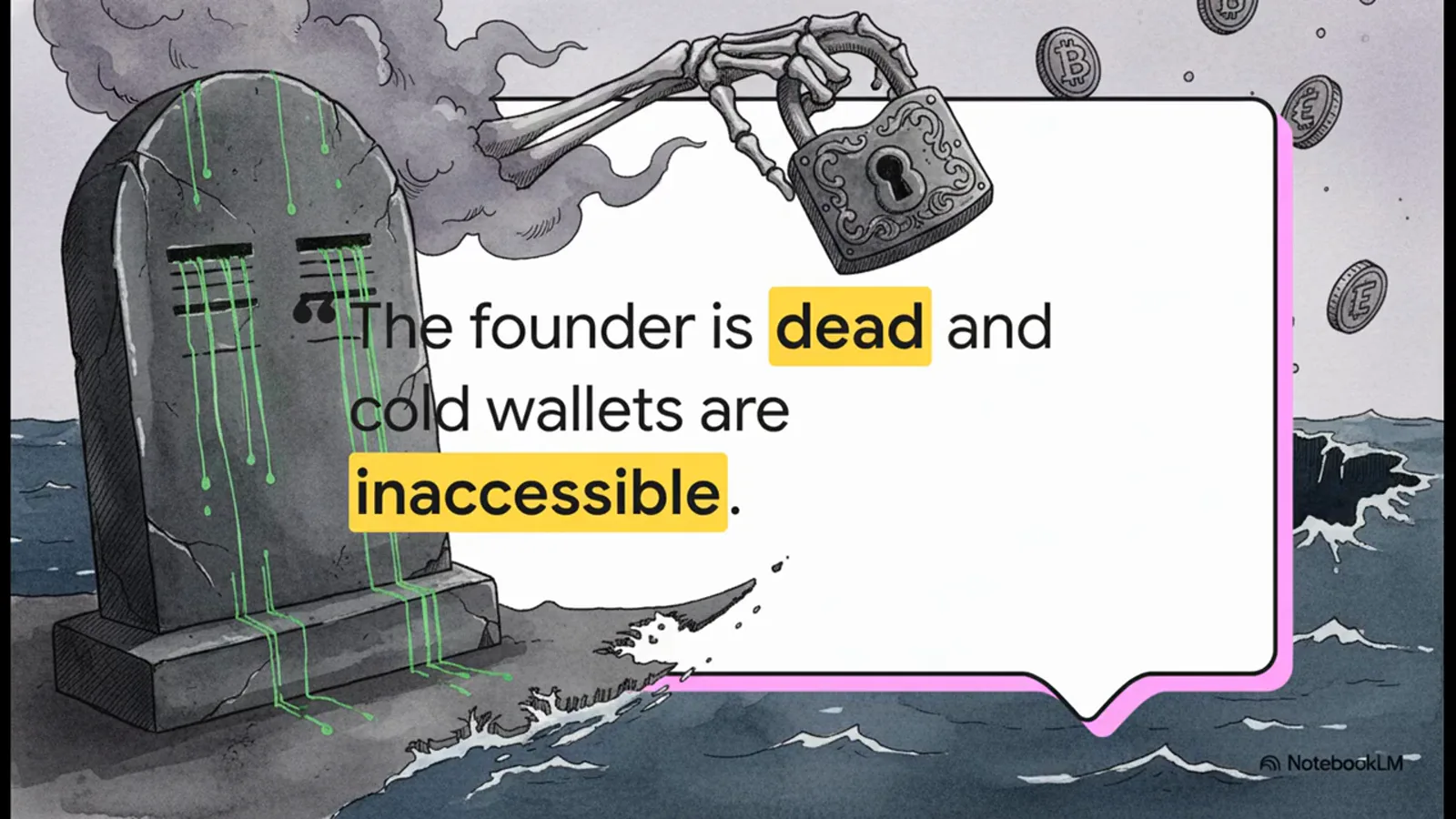
115,000 users read this and understood: the keys went with him.
The On-Chain Autopsy
If the money really sat in cold wallets, the blockchain would show it. The blockchain showed the opposite.
- 7
The cold wallets were already empty
Ernst & Young, appointed by the court to run the estate, did what anyone with a block explorer could do: it checked the ledger. Quadriga's supposed cold wallets had been drained to nil by April 2018 — eight months before Cotten died. The only coins that surfaced were about 104 BTC, worth roughly US$468,000, which users had accidentally sent to Quadriga addresses after his death. EY could not account for around 26,000 missing Bitcoin. The vault wasn't locked. It was vacant.
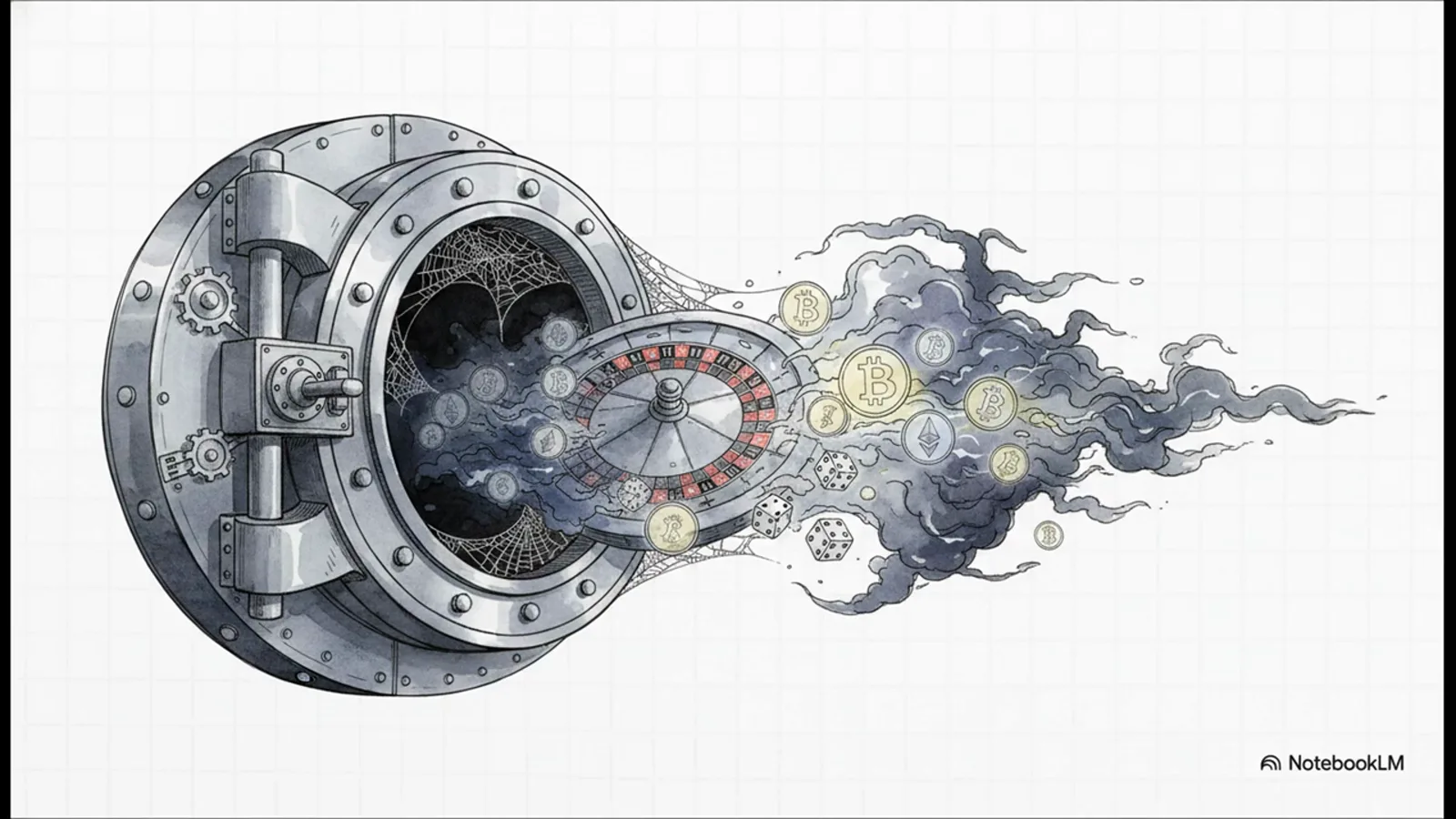
The vault wasn't locked. It was vacant. - 8
Auditing the machine
What EY found inside the machine was worse than negligence. The exchange kept no bank accounts and made no separation between customer funds and Cotten's personal money; deposits became 'Quad Bucks', an internal IOU currency the founder could mint at will. Forensic accountants concluded he had been using real customer crypto for his own trading for years while the ledger showed users fictional balances — meaning the exchange was, in substance, technically insolvent long before the end.
The monitor's job became the story's chapter title. - 9
Fake money, real customers
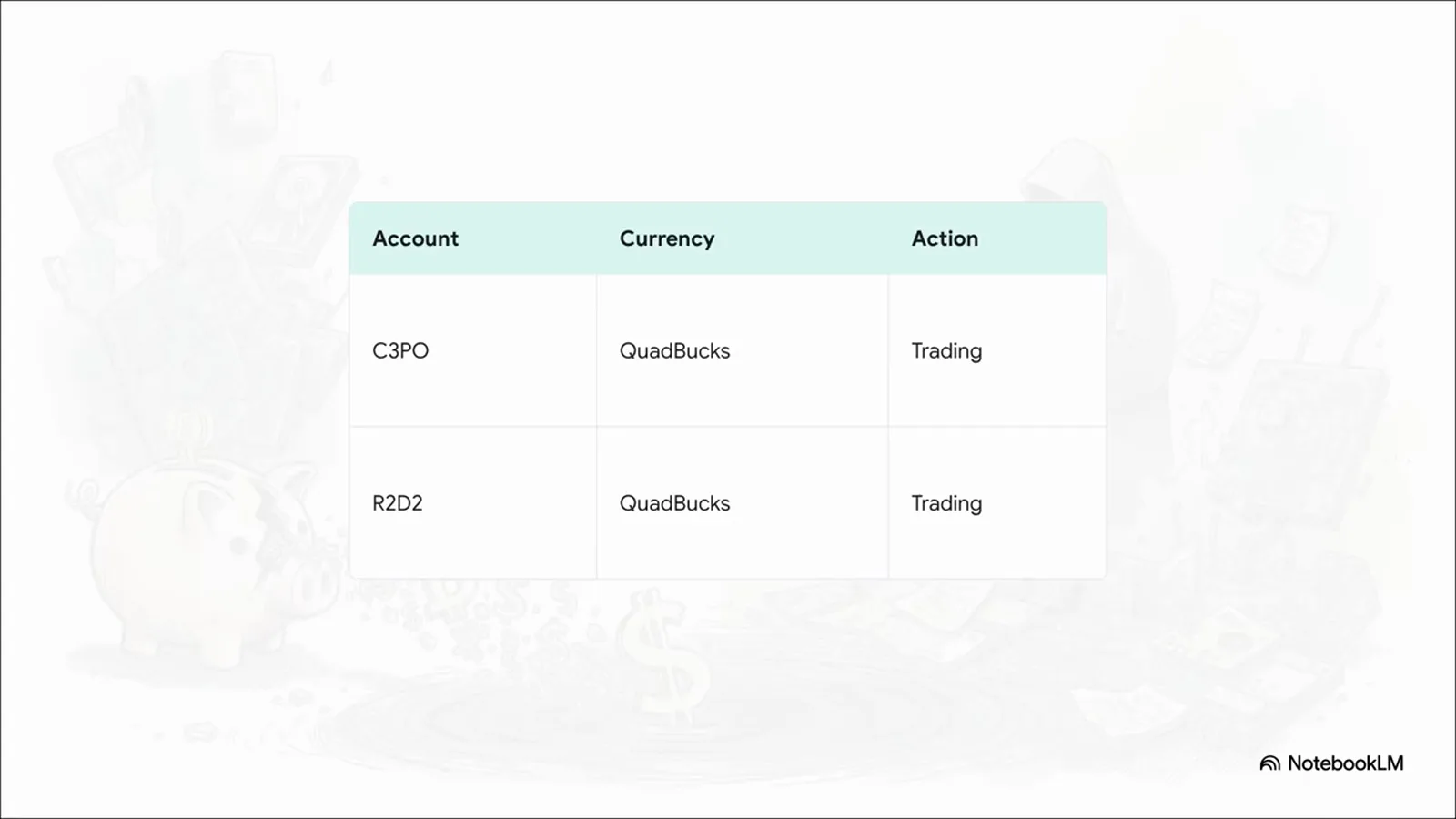
The clearest picture of the fraud came from the fake accounts. Regulators found Cotten had created at least 14 accounts under aliases — including the sci-fi handles C-3PO and R2-D2 — credited them with fictional balances, and traded those fake Quad Bucks against real customers. Users believed they were buying Bitcoin on an open market; they were handing real coins to Cotten in exchange for database entries. The OSC later calculated that this fraudulent trading alone cost clients about $115 million.

Quad Bucks: an exchange currency backed by nothing at all. - 10
Where the blockchain pointed
On-chain analysts traced Quadriga's wallets and found the coins had left long before the death: customer crypto had been moved into accounts controlled by the exchange on other trading platforms — Kraken, Bitstamp, Poloniex and ShapeShift among them — where frenetic, unprofitable trading burned through it. That is what separates Quadriga from Mt. Gox: there was no heist to trace outward, no hacker to follow. The coins weren't stolen. They were spent, lost and hidden by the one man who ran the ledger.
The ledger told on itself.
Aftermath: Ghosts, Graves and 13 Cents
The death scene raised questions no court has closed, and the money raised fewer answers still.
- 11
'Tremendously fishy'
The circumstances of the death kept skeptics busy. Cotten fell ill within about a day of checking into his luxury Jaipur hotel; the local death certificate misspelled his name as 'Cottan'; no autopsy was performed; the body was embalmed in India; and the funeral in Nova Scotia featured a closed casket. Add a dying exchange, a fresh will and a remote destination, and to creditors the whole story looked, in the phrase that stuck, tremendously fishy.
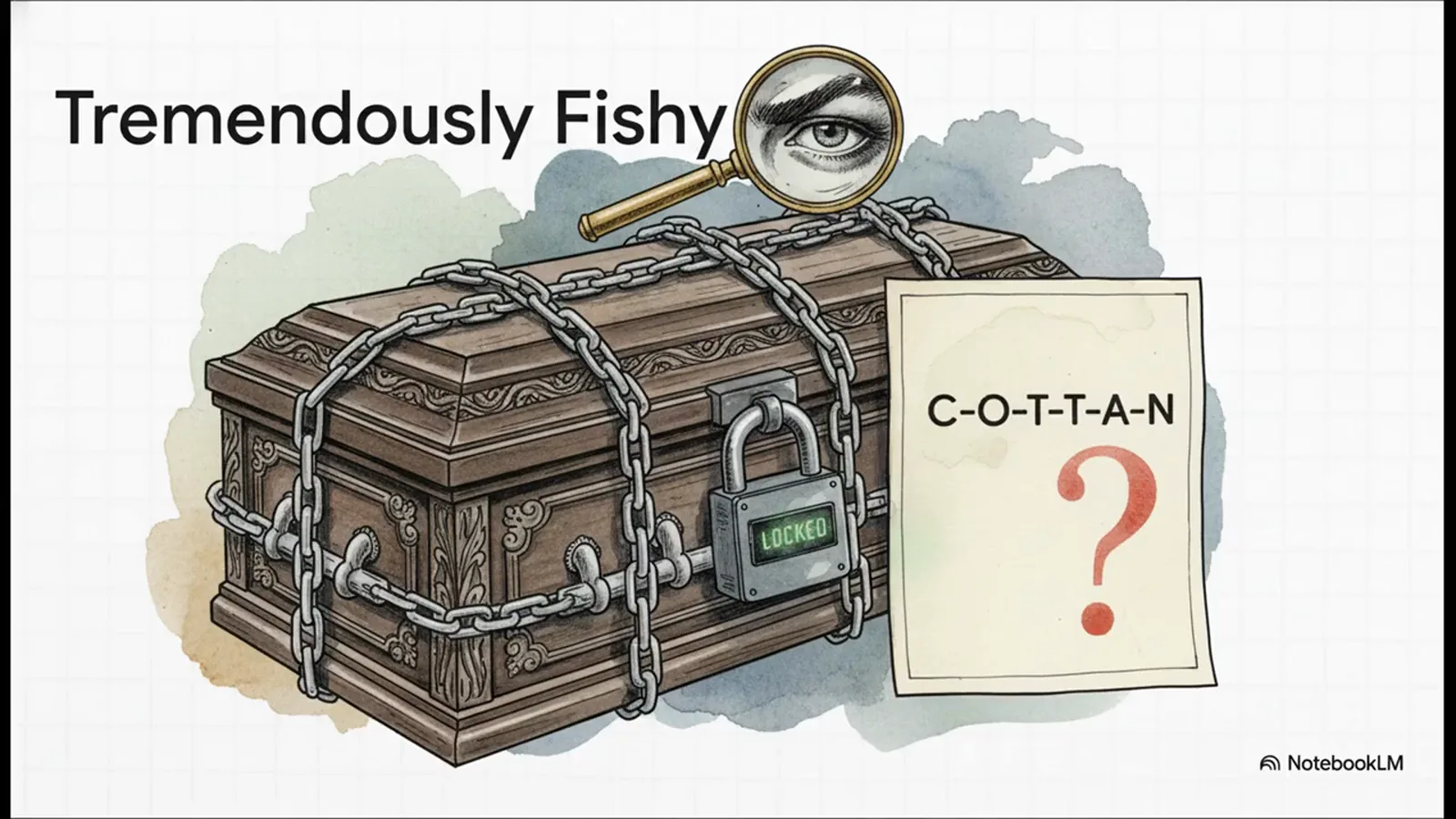
One letter off, on the document that mattered most. - 12
Exhume the body?
Lawyers representing affected users formally asked the RCMP to exhume Cotten's body and verify by DNA that the man in the Nova Scotia grave was who the estate said he was. The FBI sent notices to American victims saying it, too, was investigating; Canada's RCMP never closed the loop. No charges were ever filed and the exhumation never happened. Patryn, whose criminal past was now public, resurfaced years later in a DeFi project under a new alias — until the community connected the names again.
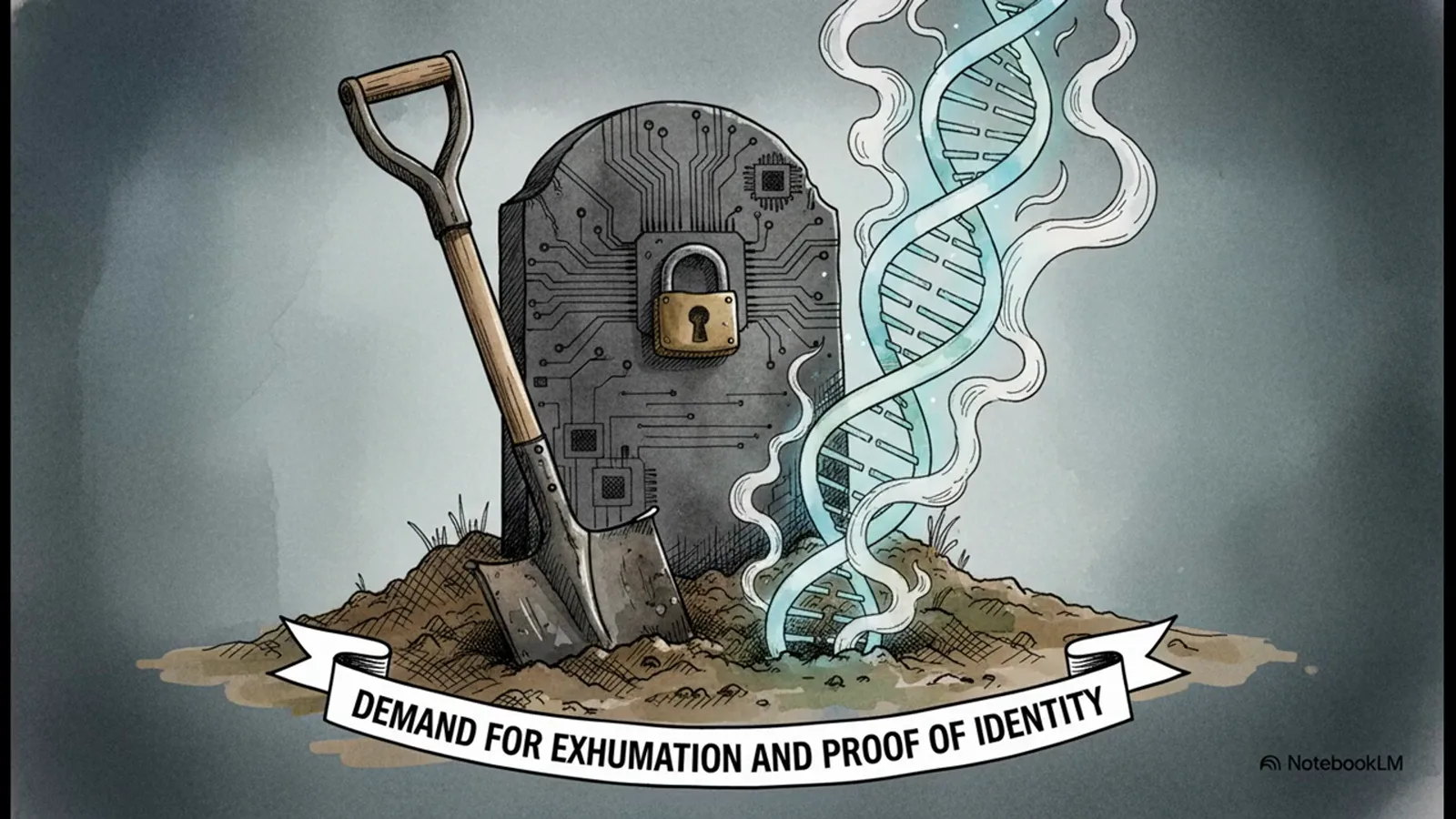
A grave, a shovel and a question no one answered. - 13
Canada's regulator closes the case — sort of
On June 11, 2020, the Ontario Securities Commission published its review: QuadrigaCX's downfall 'resulted from a fraud' committed by Cotten, who ran the platform like a Ponzi scheme, leaving an asset shortfall of about $169 million with roughly $115 million of client losses tied directly to his fraudulent trading. Robertson had already surrendered C$12 million in estate assets in an October 2019 settlement. And in 2023, EY finally declared the first interim dividend: about 13 cents on the dollar, at 2019 valuations.
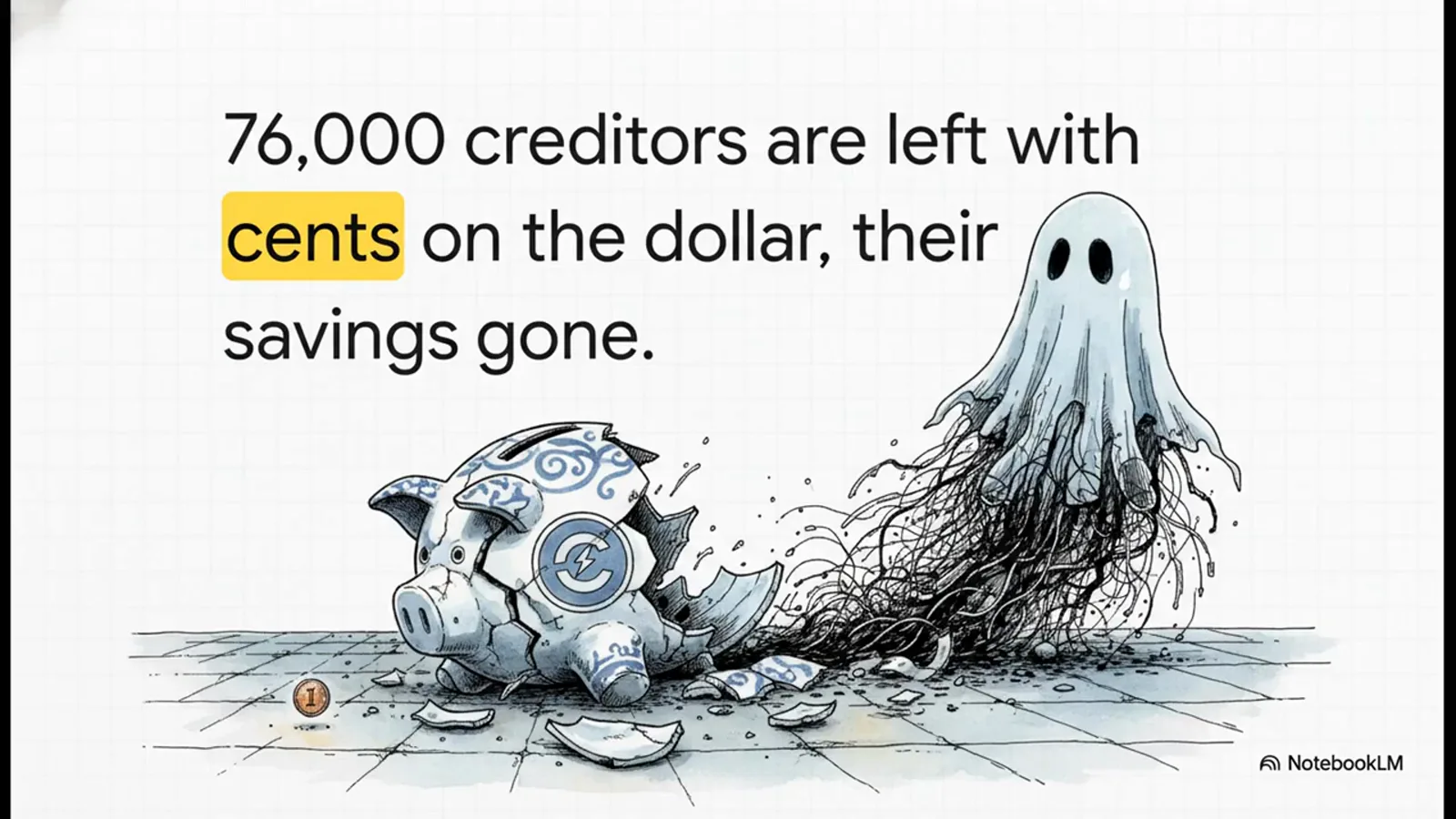
13 cents on the dollar — five years after the fact. - 14
The loop that never closed
Unlike most collapsed exchanges, QuadrigaCX never produced a tidy ending. No one was ever charged; the estate's proceedings dragged through creditor claims, recovered assets and disputes; and the 2022 Netflix documentary Trust No One: The Hunt for the Crypto King kept the amateur-sleuth industry alive. The man at the center of it all lies in a grave his creditors still, formally, doubt is his — the closest thing crypto history has to an open wound.
An open wound in crypto's history books. - 15
'Not your keys' — the lesson that stuck
QuadrigaCX became the textbook case for Bitcoin's oldest slogan: not your keys, not your coins. Its users did everything right by the standards of 2018 — they used the country's biggest, most trusted exchange — and still woke up to zero, because one company held the keys and told no one. The OSC report pushed Canada toward registering and supervising crypto platforms, and two years later FTX proved the lesson still hadn't sunk in. The blockchain kept its promise: the ledger showed, precisely and permanently, where the money wasn't.
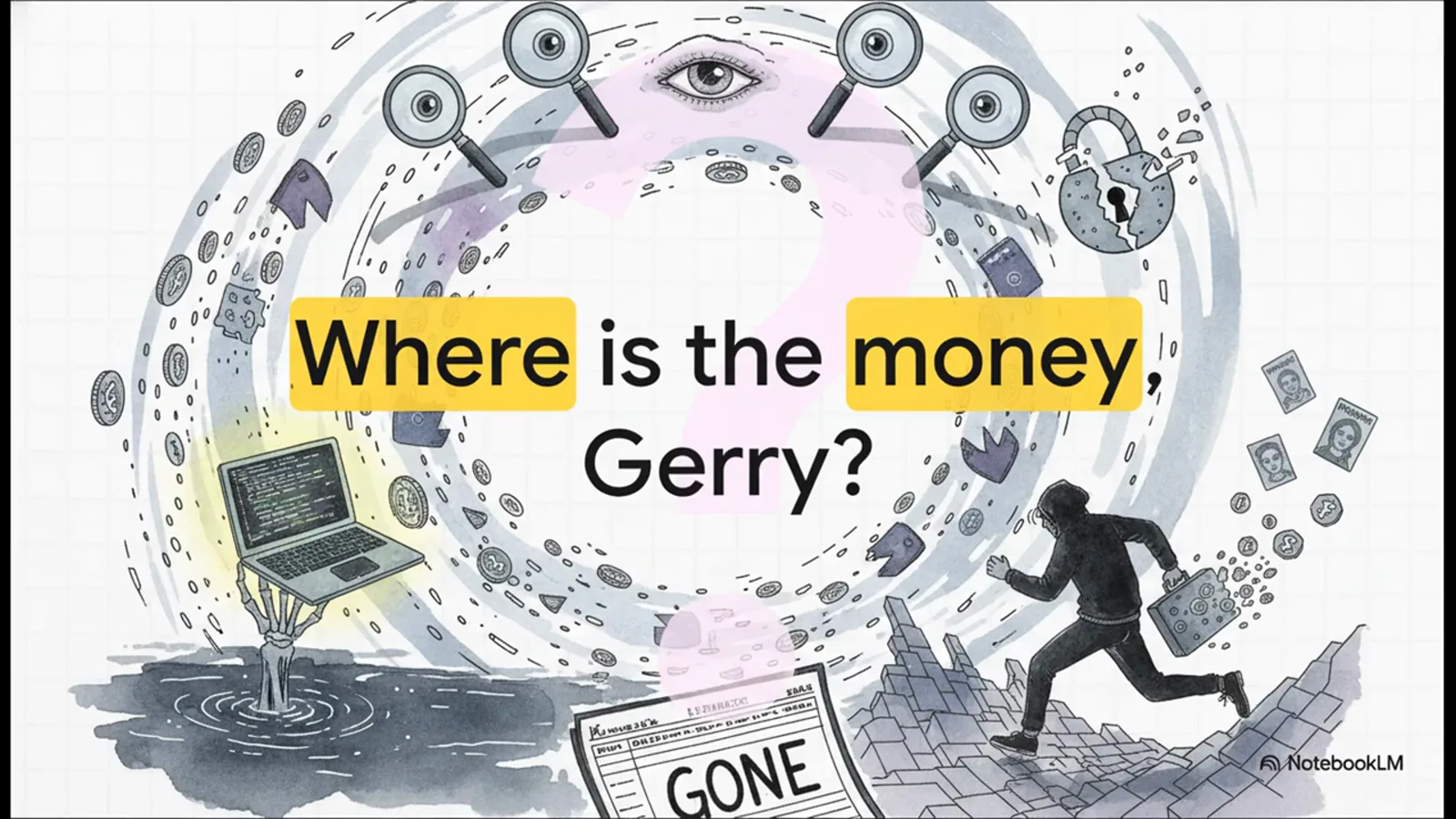
The ledger kept its promise. The money didn't.
Frequently Asked Questions
Did QuadrigaCX users get their money back?
Was Gerald Cotten's death faked?
Where did the QuadrigaCX funds go?
What did the OSC report find?
Was QuadrigaCX a Ponzi scheme?
How is the QuadrigaCX collapse different from Mt. Gox?
Continue the Story
Mt. Gox Collapse: The Complete Timeline
Crypto's first great exchange failure: 850,000 missing BTC, a decade of waiting — and repayments that finally arrived.
BitConnect: Anatomy of Crypto's Biggest Ponzi
The other famous Ponzi in crypto history — how the 1% daily 'trading bot' collapsed to zero.
The DAO Hack: The Heist That Split Ethereum
When code fails instead of people: the 3.6M ETH exploit that forked a blockchain in two.
The Cypherpunk Movement
Where the 'don't trust, verify' ethos that Quadriga's victims learned the hard way came from.
The Bitcoin Whitepaper, Explained
The nine pages that made self-custody possible — and made 'who holds the keys?' the only question that matters.
The Blockchain History Timeline
Place QuadrigaCX, Mt. Gox and every other inflection point in one complete view.
The Biggest Crypto Scams in History, Case by Case
QuadrigaCX sits in a decade-long lineup of cons — OneCoin, BitConnect, FTX and the playbook they share.
References
Extended Multimedia Reference
Visual sequences and chronologies in this guide cross-reference video documentation “The $250 Million Disappearance Finally Solved - The Ghost in the Machine” by Dark Dossier.
This illustrated guide is maintained strictly for educational, research, and historical documentation purposes. None of the materials constitute investment, financial, legal, or trading advice. Historical crisis and market events are documented from public archives. Digital assets involve significant risks.