Mt. Gox Collapse: The Complete Timeline
How a card-trading website became the exchange that handled 70% of all Bitcoin trades — and how it lost 850,000 BTC, filed for bankruptcy and left creditors waiting for a decade.
9 minutes • 19 illustrated steps • In-depth historical chronology & technical analysis
Editorial Research & Chronological Archive
Independently synthesized and cross-verified by The Blockchain History Editorial Board using primary whitepapers, historical archives, and on-chain records.
What was the Mt. Gox collapse?
Mt. Gox was a Tokyo-based Bitcoin exchange that handled over 70% of all global Bitcoin trades at its peak. In February 2014 it halted withdrawals, suspended trading and filed for bankruptcy after admitting that 850,000 BTC — about 750,000 of them customer funds — had gone missing, siphoned off over several years while the exchange was effectively insolvent. It remains the first great exchange collapse in crypto history, and repayments to creditors only began in earnest a decade later.
Key Takeaways
- Mt. Gox started in 2007 as the Magic: The Gathering Online Exchange — a card-trading site — before Jed McCaleb repurposed it for Bitcoin in 2010.
- Two 2011 breaches set the pattern: compromised auditor credentials crashed the price to one cent, and attackers stole roughly 2,000 BTC from weakly secured wallets.
- On February 7, 2014, Mt. Gox blamed "transaction malleability" for halting all withdrawals; on February 24 it suspended trading and went offline.
- The bankruptcy filing revealed 850,000 BTC missing — 750,000 belonging to customers — and by mid-2013 the exchange was almost certainly already insolvent.
- Mark Karpelès was arrested in 2015 and convicted in 2019 of falsifying data (not embezzlement); about 200,000 BTC were rediscovered and a rehabilitation plan was approved in 2021.
- The lasting lesson: centralized custody without auditable reserves turns any exchange into a single point of failure.
From Card-Trading Site to Bitcoin's Main Exchange
Mt. Gox's origin is the strangest part of the story: the domain was never built for Bitcoin at all.
- 1
Meet the exchange that was 'the market'
At its peak, Mt. Gox handled over 70% of all Bitcoin trades worldwide. It wasn't just part of the market — for most of 2013, it effectively was the market, and its yen-quoted price was the price everyone else followed.

A Tokyo-based company that set the global Bitcoin price.Watch at 0:02 - 2
2007: a domain for trading trading cards
Programmer Jed McCaleb bought mtgox.com — short for Magic: The Gathering Online Exchange — to trade digital trading cards. The card market never took off and the site was abandoned for other projects months later.

The domain's original job: buying and selling Magic cards.Watch at 0:36 - 3
2010: repurposed for a currency nobody could trade
When McCaleb discovered Bitcoin in 2010, there was almost no easy way to buy or sell it. He dusted off the dormant site and turned it into a Bitcoin exchange — perfectly timed, since Bitcoin was just migrating from forum trades to real markets.

Same building, completely new business.Watch at 3:46 - 4
2011: McCaleb sells to Mark Karpelès
McCaleb sold the exchange to French developer Mark Karpelès in 2011. Under its new owner Mt. Gox grew rapidly into the dominant hub for global Bitcoin trading — while, as later investigations showed, its internal controls never caught up with its volume.

The handover that put Karpelès in charge of most of the world's Bitcoin trades.Watch at 1:06 - 5
70% of all Bitcoin trading flows through one site
By 2013 Mt. Gox was the reference market for Bitcoin. That concentration is what made the eventual failure so damaging: when the main place to buy and sell vanished, the whole young industry felt it.

One exchange, most of the world's Bitcoin liquidity.Watch at 1:20
2011: The First Breaches
Years before the collapse, the pattern was already visible — compromised accounts, weak wallet security, and stolen coins.
- 6
A compromised auditor account crashes the price to $0.01
In 2011 attackers obtained the credentials of a Mt. Gox auditor. From that account they placed massive sell orders that briefly crashed Bitcoin's price on Mt. Gox to one cent — chaos that let them buy Bitcoin from startled users for almost nothing.
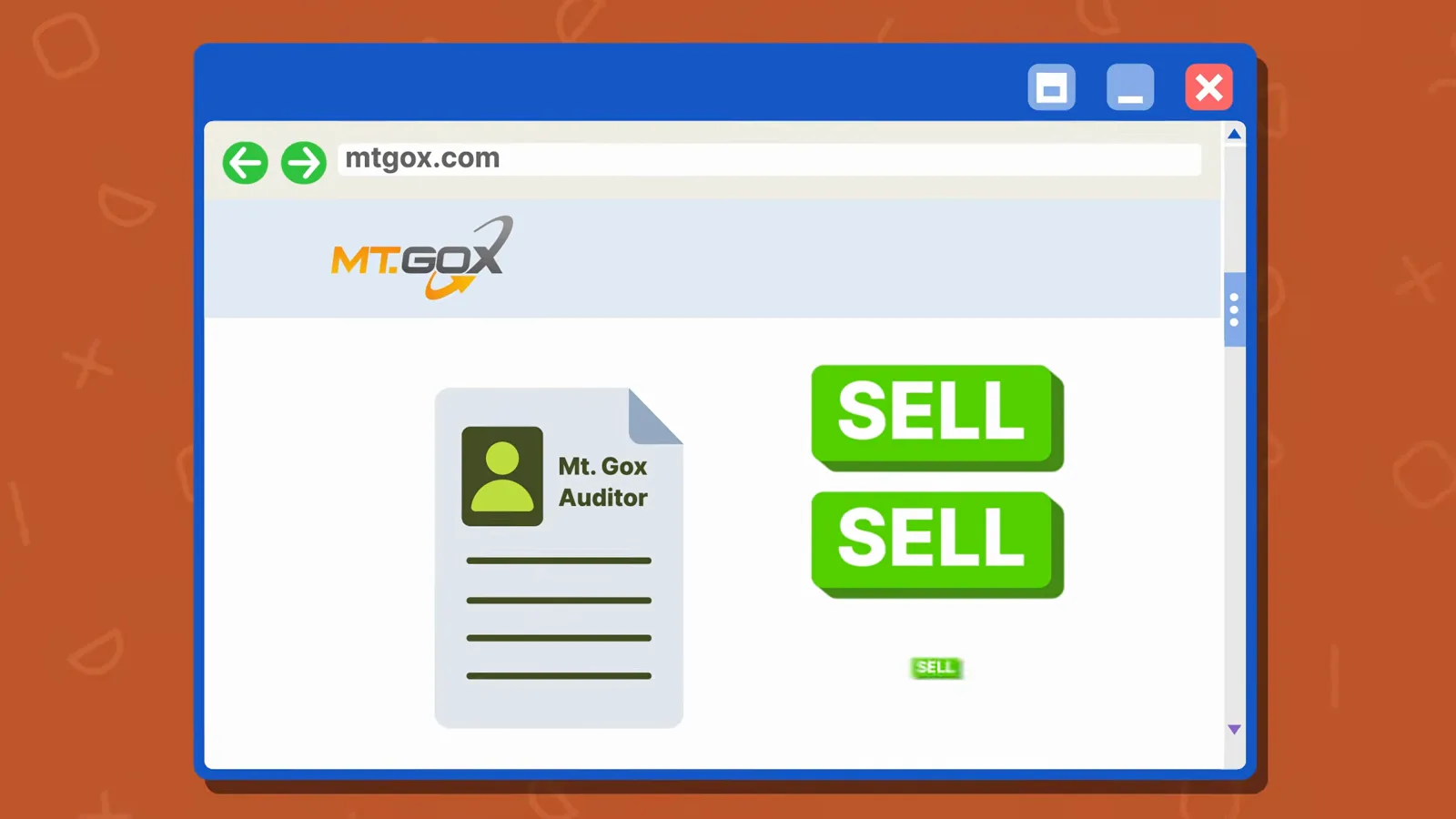
The auditor credentials gave attackers the keys to the order book.Watch at 1:36 - 7
Bitcoin at one cent — and anyone could buy
For a few minutes the largest Bitcoin exchange in the world quoted a penny per coin. The flash crash became the template for what compromised exchange accounts could do to a thin, immature market.
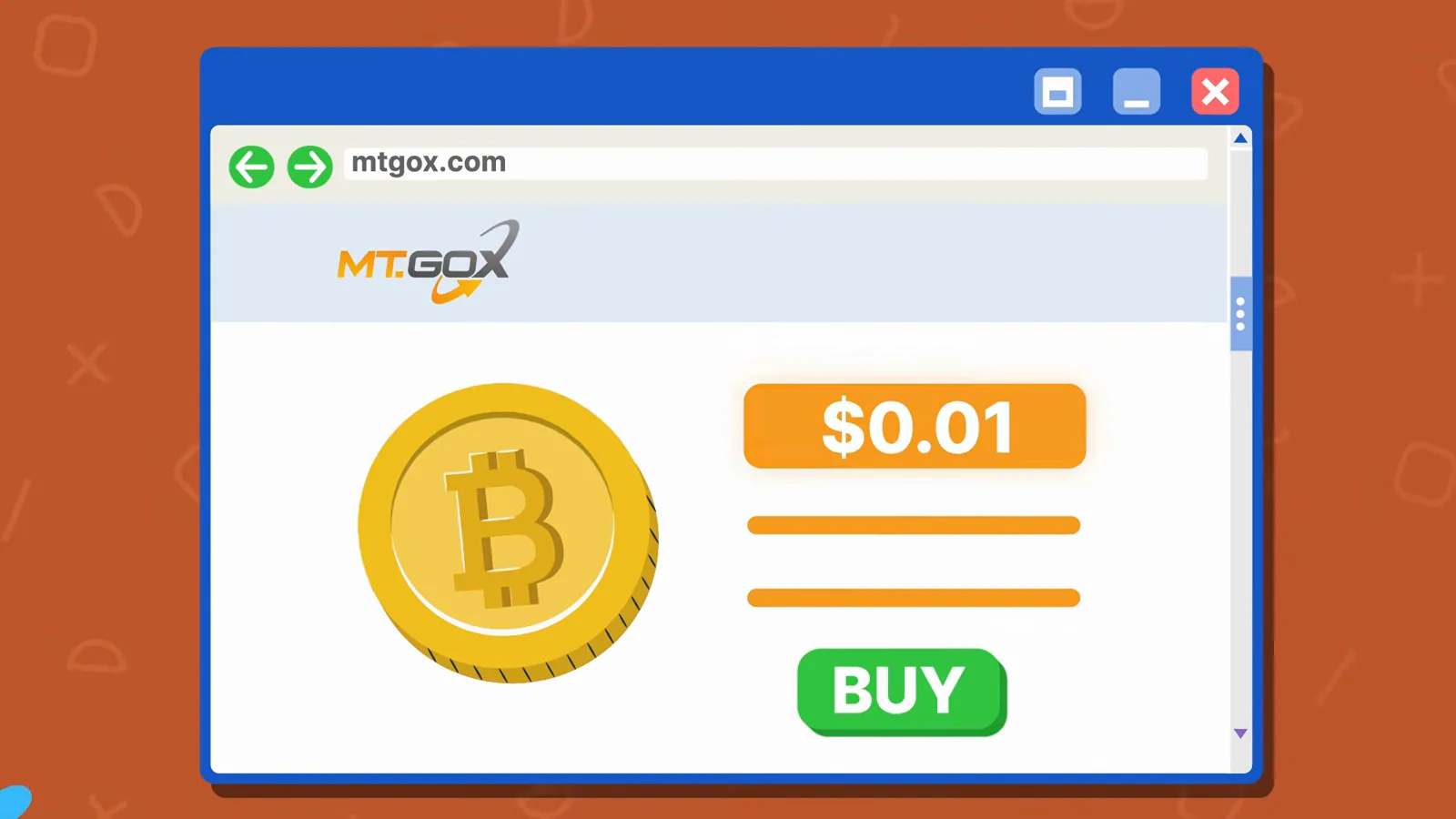
The one-cent flash crash on Mt. Gox, June 2011.Watch at 1:42 - 8
About 2,000 BTC stolen from hot wallets
Around the same time, weaknesses in Mt. Gox's wallet security let attackers steal roughly 2,000 BTC — only about $30,000 at 2011 prices, but a warning shot about how the exchange stored customer funds.
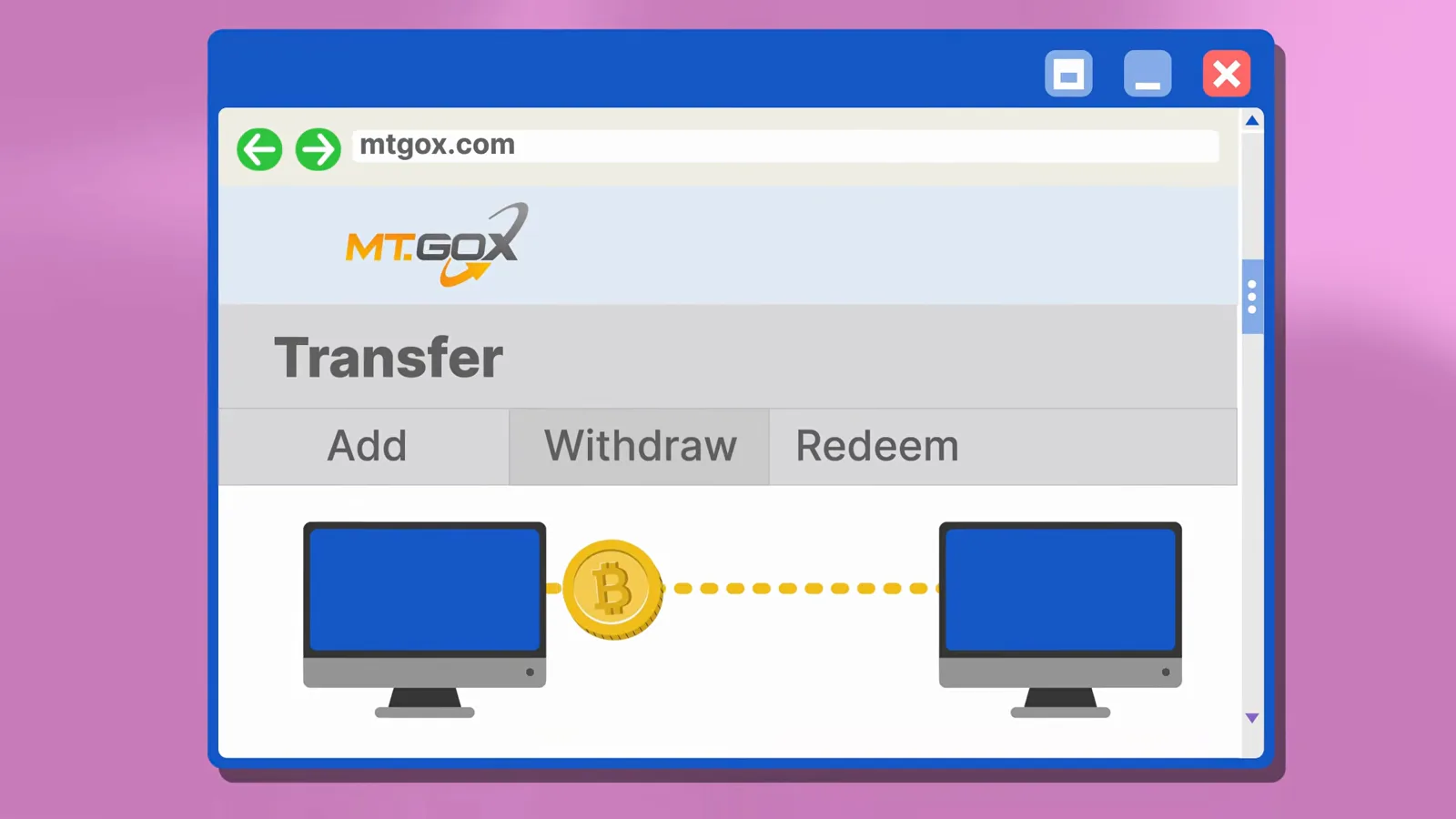
A small theft by later standards — a huge red flag at the time.Watch at 2:24
February 2014: Eighteen Days to Collapse
The endgame moved fast: withdrawal delays, a technical excuse, silence, then a bankruptcy filing.
- 9
Withdrawals get slower and slower
By early 2014 users complained about long withdrawal delays. Money was going in; coming out was another story. The exchange's public explanations stayed vague while the backlog grew.

The first visible symptom customers could actually act on.Watch at 2:21 - 10
February 7: all withdrawals halted
Mt. Gox suddenly stopped all Bitcoin withdrawals, claiming "technical issues" in the Bitcoin software. The explanation it eventually pointed to — transaction malleability — is a real quirk of Bitcoin, but not one that requires losing customer funds.

February 7, 2014: deposits kept flowing, withdrawals stopped.Watch at 2:36 - 11
'It was transaction malleability'
Mt. Gox's official line was that the malleability bug — which lets a transaction's ID be tweaked without changing its content — explained the missing coins. Investigators later concluded the real losses had been siphoned off over years through compromised wallets.

A real Bitcoin quirk, blamed for an internal failure.Watch at 2:29 - 12
Communication goes dark
Through the crisis, explanations remained vague and no clear timeline was given. Mark Karpelès avoided direct responses, stepped down from the Bitcoin Foundation board, and the company wiped its Twitter presence. Confidence drained faster than the coins had.

No timeline, no answers, no withdrawals.Watch at 1:46 - 13
February 24: trading suspended, site goes dark
Less than three weeks after the halt, Mt. Gox suspended all trading and abruptly went offline. The next day a leaked crisis-strategy document surfaced, and the exchange filed for bankruptcy in Tokyo shortly after.

February 24, 2014: the world's largest Bitcoin exchange disappears.Watch at 2:58 - 14
The bankruptcy announcement
The filing marked the first major exchange collapse in crypto history. A Tokyo court would spend years untangling it, and the case became the reference point for every exchange failure that followed — FTX included.

Bitcoin's first great exchange failure hits the mainstream news.Watch at 3:06
850,000 Missing Bitcoin — and the Long Aftermath
The scale of the loss only became public in the bankruptcy filing, and resolving it took more than a decade.
- 15
A vault that should have been full
The exchange admitted that 850,000 BTC had gone missing — 750,000 of them customer funds. At February 2014 prices that was roughly $450 million; at later cycles it became one of the largest lost fortunes in modern finance.
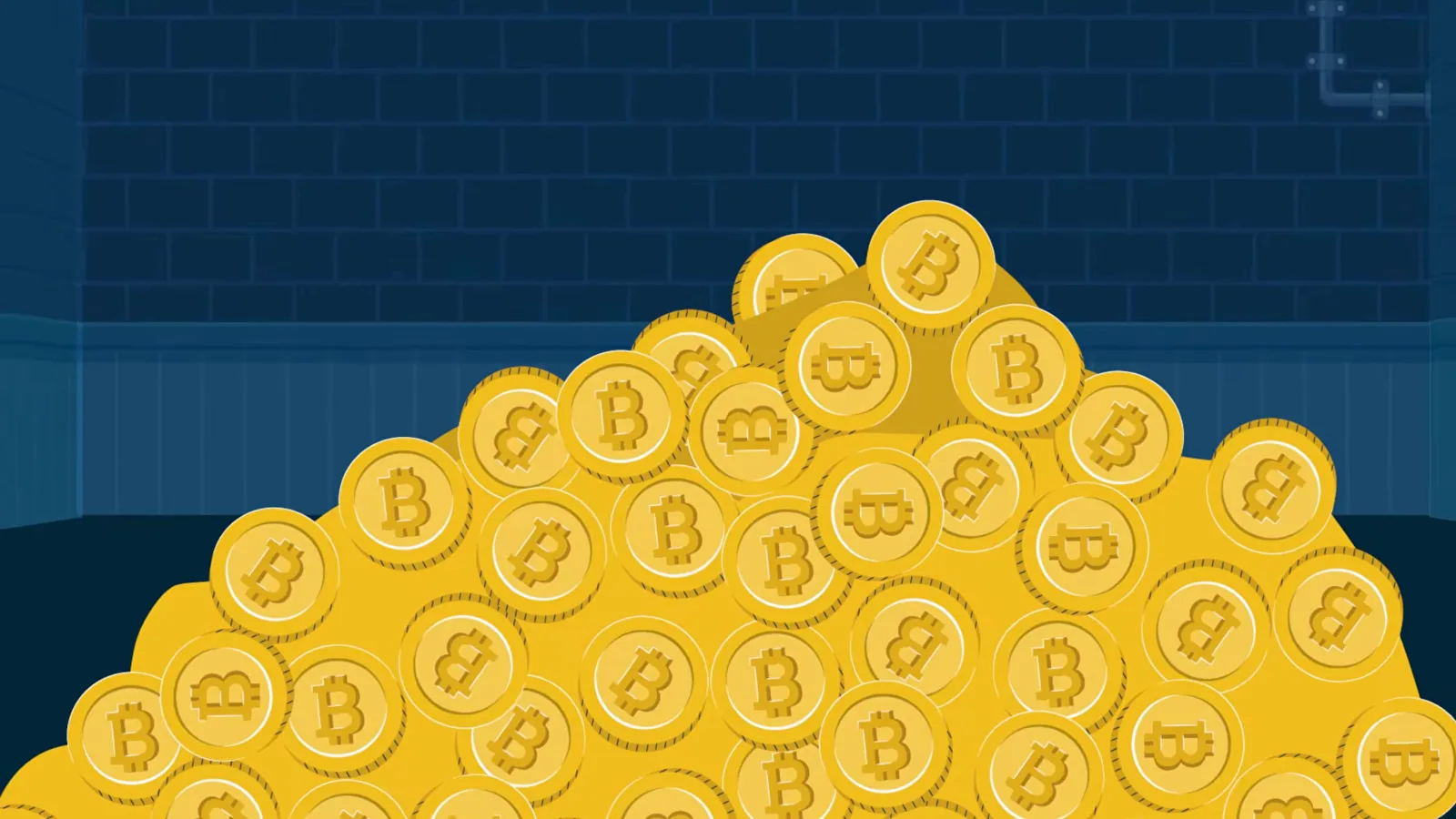
850,000 BTC: 750,000 from customers, 100,000 from the company.Watch at 3:10 - 16
A BANKRUPTCY sign over the exchange
Mt. Gox had been operating while effectively insolvent — investigations suggested that by mid-2013 it no longer held most of the Bitcoin it claimed to. Customers had been trading against IOUs for months without knowing it.

The first, and still most instructive, exchange collapse.Watch at 3:49 - 17
2015: Karpelès arrested
French developer Mark Karpelès was arrested in Japan in 2015. He was convicted in 2019 of falsifying financial records — but cleared of embezzlement, a verdict that still divides the Bitcoin community.

Data falsification: guilty. Embezzlement: cleared.Watch at 4:08 - 18
200,000 BTC rediscovered in an old wallet
Shortly after the bankruptcy filing, Mt. Gox announced it had found nearly 200,000 Bitcoin in an old-format wallet — reducing the loss and eventually seeding the repayment estate. Talk of reviving the exchange went nowhere; liquidation and rehabilitation moved forward instead.

Found coins, sold gradually, to pay creditors back.Watch at 4:22 - 19
A rehabilitation plan — and repayments a decade late
A civil rehabilitation plan was approved in 2021, and creditors began receiving repayments in 2024 — more than ten years after the collapse, paid in Bitcoin rather than the 2014 yen value. Many waited through multiple postponements for what became a life-changing payout.

The lesson that outlived the exchange: don't trust — verify reserves.Watch at 4:46
Frequently Asked Questions
What was Mt. Gox?
How many Bitcoin were lost in the Mt. Gox collapse?
Why did Mt. Gox collapse?
Did Mt. Gox customers get their Bitcoin back?
Did Mark Karpelès go to jail?
What changed in crypto because of Mt. Gox?
Continue the Story
What Is the Genesis Block?
Start where Bitcoin itself started: block 0, the Times headline and the reward that can't be spent.
Bitcoin History: The Complete Guide
Place the Mt. Gox collapse back into the full arc from whitepaper to institutional adoption.
Bitcoin Milestones Timeline
The key price and legitimacy inflection points, including the exchanges that carried each era.
Bitcoin Whitepaper, Explained Section by Section
The document behind it all — all twelve sections walked through with diagrams.
BitConnect: Anatomy of Crypto's Biggest Ponzi
Another house-of-cards collapse: how 1% daily returns ended in a 99% crash and federal charges.
The DAO Hack, Step by Step
The code exploit that drained 3.6M ETH and split Ethereum in two.
QuadrigaCX: Canada's Crypto King Mystery
The other missing-coins exchange saga — a founder's death, empty cold wallets and 13 cents on the dollar.
References
Extended Multimedia Reference
Visual sequences and chronologies in this guide cross-reference video documentation “Where Did The Bitcoin Go? The Mystery of Mt. Gox” by CoinGecko.
This illustrated guide is maintained strictly for educational, research, and historical documentation purposes. None of the materials constitute investment, financial, legal, or trading advice. Historical crisis and market events are documented from public archives. Digital assets involve significant risks.