El Salvador Bitcoin Law: The World's First Bitcoin Country
In June 2021 a president walked onto a stage in Miami and turned a small Central American country into the most watched monetary experiment on Earth. For three months El Salvador raced to become the first nation where bitcoin was legal tender; on day one the government wallet crashed, bitcoin slid 10%, and protesters filled the capital. Four years later — quietly, with no debate — the law was rewritten. This is the complete story of the law that made bitcoin a national currency, and of everything it promised, broke and left behind.
10 minutes • 16 illustrated steps • From the Miami stage to the 2025 rewrite
Editorial Research & Chronological Archive
Independently synthesized and cross-verified by The Blockchain History Editorial Board using primary whitepapers, historical archives, and on-chain records.
What is the El Salvador Bitcoin Law?
The El Salvador Bitcoin Law (Ley Bitcoin) is the statute that made bitcoin legal tender in El Salvador — the first country ever to do so. Proposed by President Nayib Bukele at the Bitcoin 2021 conference in Miami on June 5, it was approved by the Legislative Assembly on June 8, 2021, by 62 votes to 84 seats, and took effect on September 7, 2021. It made bitcoin and the US dollar co-official currencies, let prices and taxes be quoted in either, and obliged businesses to accept bitcoin. After a chaotic rollout, weak adoption and an IMF standoff, a January 2025 reform tied to a $1.4 billion IMF deal scaled it back: acceptance became voluntary, taxes could no longer be paid in bitcoin, and the state's Chivo wallet had to be wound down.
Key Takeaways
- El Salvador was uniquely positioned for a monetary gamble: dollarized since 2001 with no currency of its own, dependent on remittances worth roughly a quarter of GDP, and with about 70% of adults outside the banking system entirely.
- The law moved at record speed: Bukele announced it at Bitcoin 202 in Miami on June 5, 2021, his supermajority congress approved it on June 8, and it took effect on September 7 — with prices quotable in bitcoin or dollars, taxes payable in bitcoin, and Article 7 obliging every business to accept it.
- Launch day set the tone: the government's Chivo wallet glitched as users tried to claim the $30 signup bonus, the president personally gave customer service on Twitter, bitcoin fell about 10%, and Bukele bought 550 BTC (roughly $22 million) while more than a thousand people marched against the law in the capital.
- The outside world was never convinced: Fitch warned of regulatory risk, and the IMF's January 2022 Article IV assessment formally urged El Salvador to narrow the law by removing bitcoin's legal tender status.
- Adoption never came: NBER researchers found Chivo usage was low, concentrated and declining — driven by the $30 bonus and blocked by privacy fears — and by the government-friendly documentary's own count, 90% of Salvadorans didn't touch bitcoin in 2023 and only 1.9% of remittances arrived in it.
- In 2025 the experiment was formally downsized: under a $1.4 billion IMF loan, a quiet January rewrite made merchant acceptance voluntary, banned bitcoin tax payments, and ordered the state's Chivo wallet sold or shut — though El Salvador kept its bitcoin treasury and its 'Bitcoin country' brand.
Why El Salvador: A Country Without Its Own Money
Bitcoin legal tender didn't happen in a vacuum. A dollarized economy, a remittance lifeline priced in fees, and one surf-town experiment made the idea imaginable.
- 1
A dollarized economy with no currency of its own
Start with the strangest fact about El Salvador: the country at the center of a bitcoin revolution hasn't had its own currency since 2001. That year, after a string of crises, the government adopted the US dollar and retired the colón — a decision the documentary's interviewees still describe as a top-down call that ordinary families paid for in rising prices. Dollarization meant no monetary policy of its own: interest rates were effectively set in Washington, and when the pandemic hit, San Salvador couldn't print money the way other governments did — it had to borrow or beg. For a president who wanted to prove the country could leap into the future, a monetary system nobody at home controlled was both the grievance and the opening.
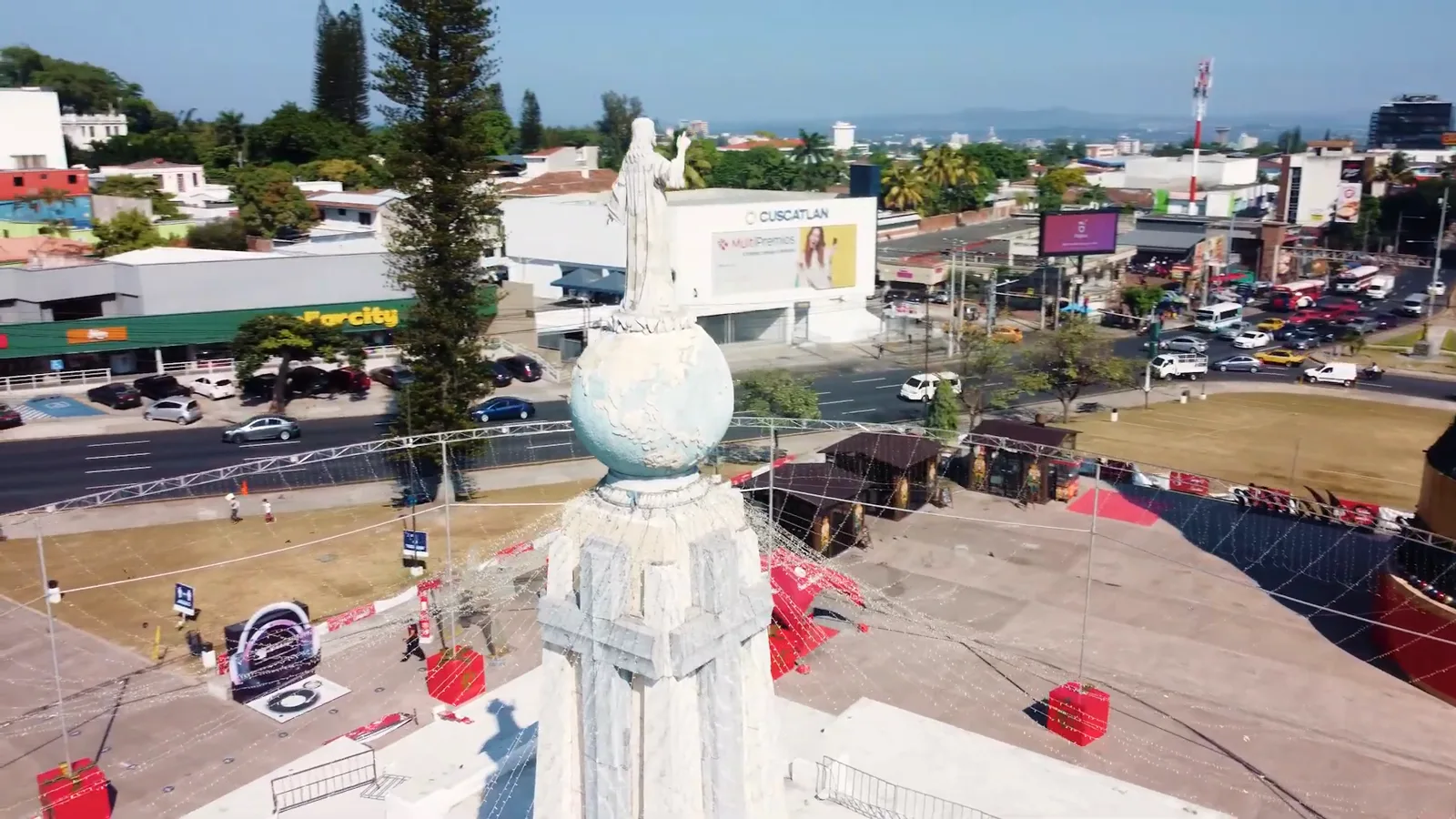
A country that hadn't controlled its own money since 2001. - 2
Money wired home: a remittance economy priced in fees
El Salvador's real national currency arrived from abroad. Remittances made up close to a quarter of GDP — roughly $4.5 billion a year by 2021 — sent home by migrants through transfer companies that took a fee on every wire. The documentary follows the informal routes too: one interviewee described losing up to 20% moving money through intermediaries because he had no usable bank account. That was the other half of the puzzle — around 70% of Salvadorans had no bank account at all, so the formal financial system was simultaneously essential and out of reach. Cutting remittance fees became the law's signature promise: in Bukele's telling, bitcoin would let the diaspora send value home without anyone standing in the middle.
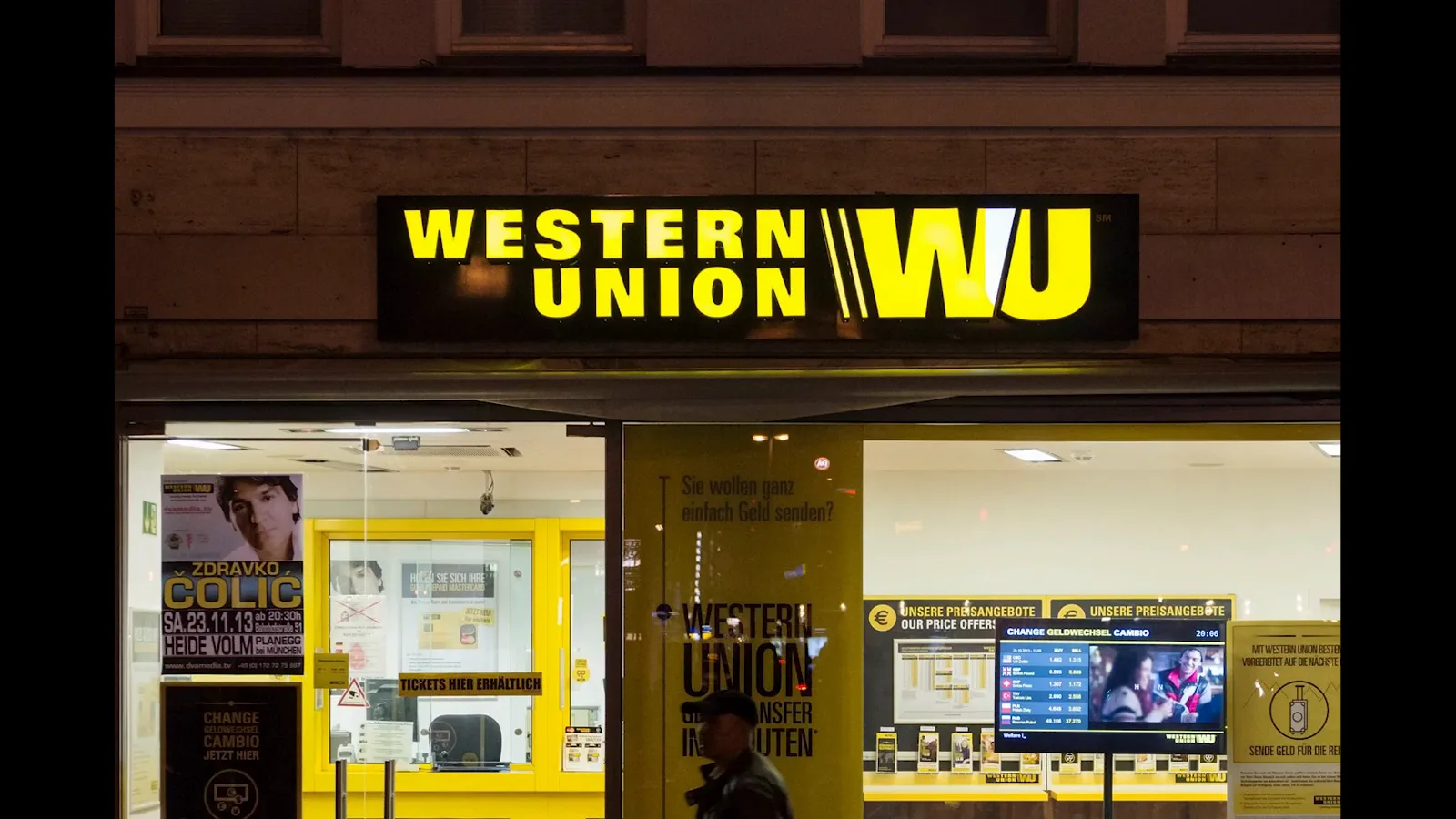
Before bitcoin, every transfer home took a cut. - 3
El Zonte: the surf town that ran the trial run
Before it was national policy, bitcoin was an experiment in El Zonte, a surf town an hour from the capital. In late 2019 an anonymous donor sent about 12 bitcoin to fund a local economy project — Bitcoin Beach — that paid young people in bitcoin for jobs and classes and convinced local shops to accept it, part of an explicit effort to keep kids out of gangs. The documentary shows the result: a food stall with a hand-made QR sign, wallets on phones, a village where a teenager could be paid, save and spend without a bank. When the government went looking for proof that bitcoin could work for ordinary Salvadorans, El Zonte was the proof it pointed to — and the template the national rollout would try to scale.
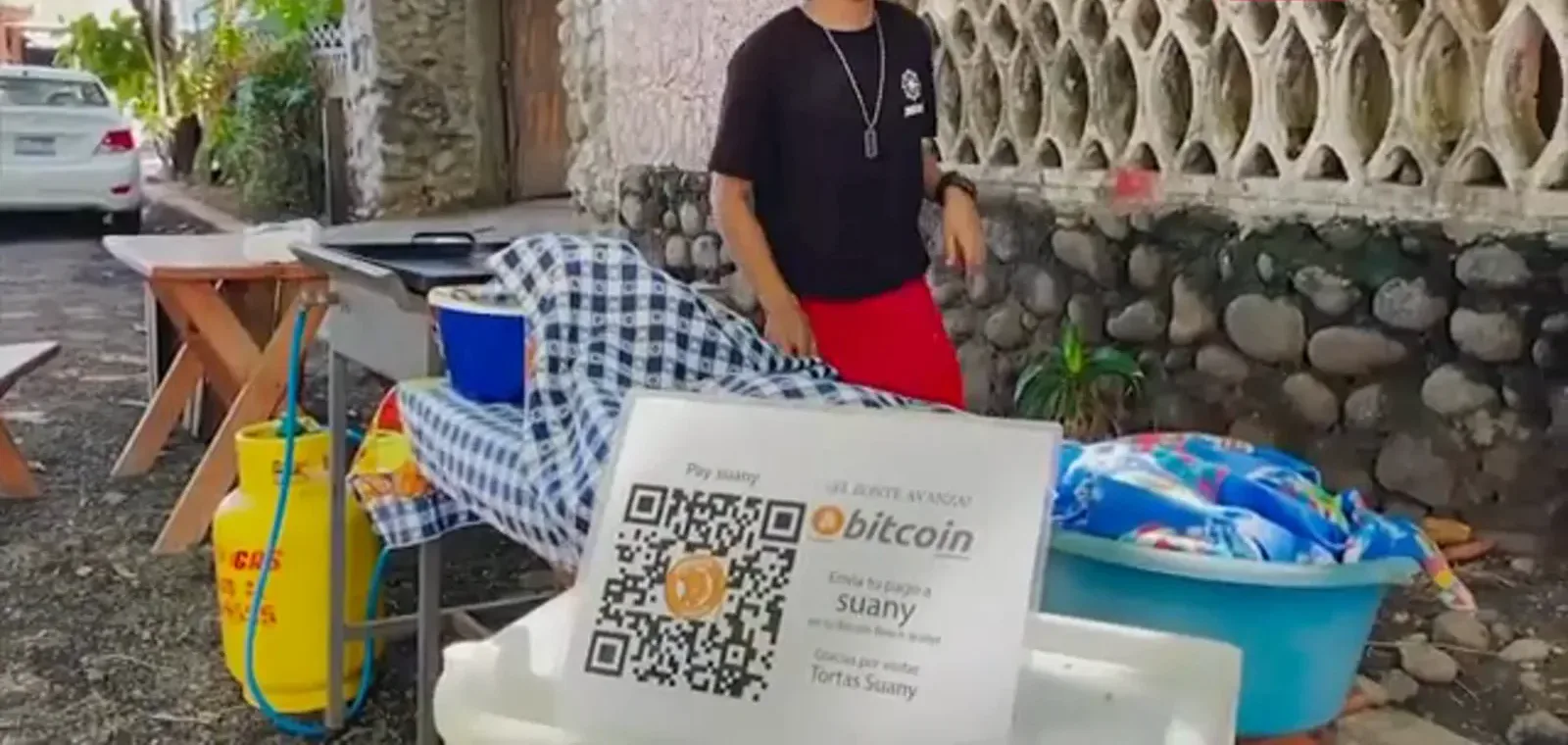
The surf town where the experiment started.
Announcement and Law: Ninety Days to Bitcoin Country
From a conference stage in Miami to a three-page statute in ninety days — the fastest adoption of a new national currency in modern history.
- 4
Five minutes in Miami that made history
On June 5, 2021, at the Bitcoin 202 conference in Miami, a video of President Nayib Bukele played to a roaring crowd: 'Next week, I will send to Congress a bill that will make bitcoin legal tender in El Salvador.' El Salvador would be the first country in the world to adopt bitcoin as national currency — the announcement alone turned the small country into the epicenter of cryptocurrency, as the documentary puts it. The timing was audacious: bitcoin had lost nearly half its value in the preceding weeks, and critics immediately called it a gamble with a poor country's savings. Supporters heard something else — a small nation volunteering as the proving ground for bitcoin's original promise as everyday money.
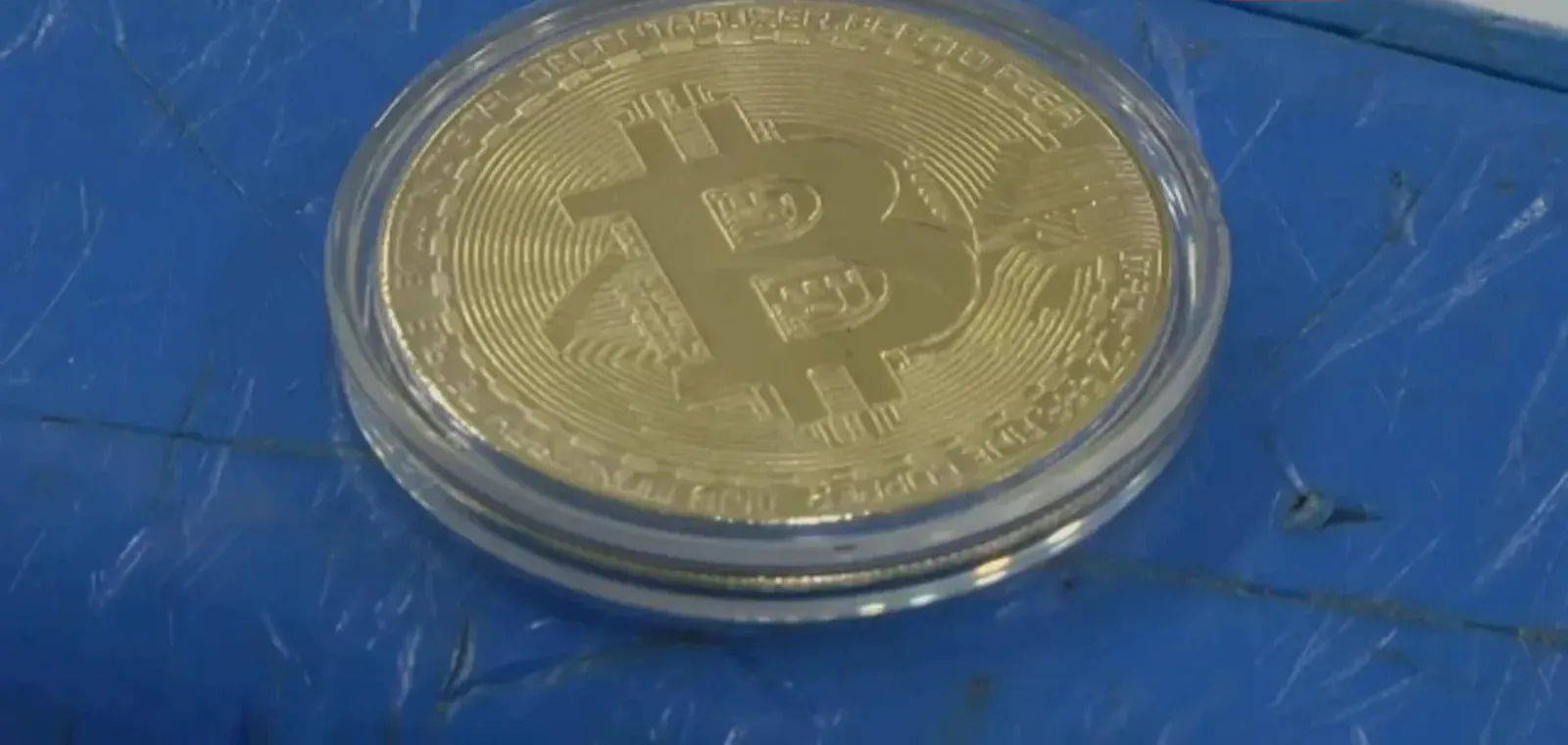
The announcement heard around the money world. - 5
Ley Bitcoin: three pages that made acceptance mandatory
The bill reached the Legislative Assembly within days, and with Bukele's party holding a supermajority, approval was never in doubt: the law passed on June 8, 2021, with 62 of 84 votes, and set September 7 as the effective date — three months to turn a beach experiment into national infrastructure. The statute itself is barely three pages and sixteen articles, as one documentary demonstrated by holding up a printout: every price in the country could be expressed in bitcoin or US dollars, taxes could be paid in bitcoin, and — most controversially — Article 7 obliged every economic agent to accept bitcoin as payment whenever a customer offered it. Exchange between bitcoin and dollars was to run through the government's infrastructure. Small shopkeepers woke up as participants in a monetary experiment they hadn't been consulted on.
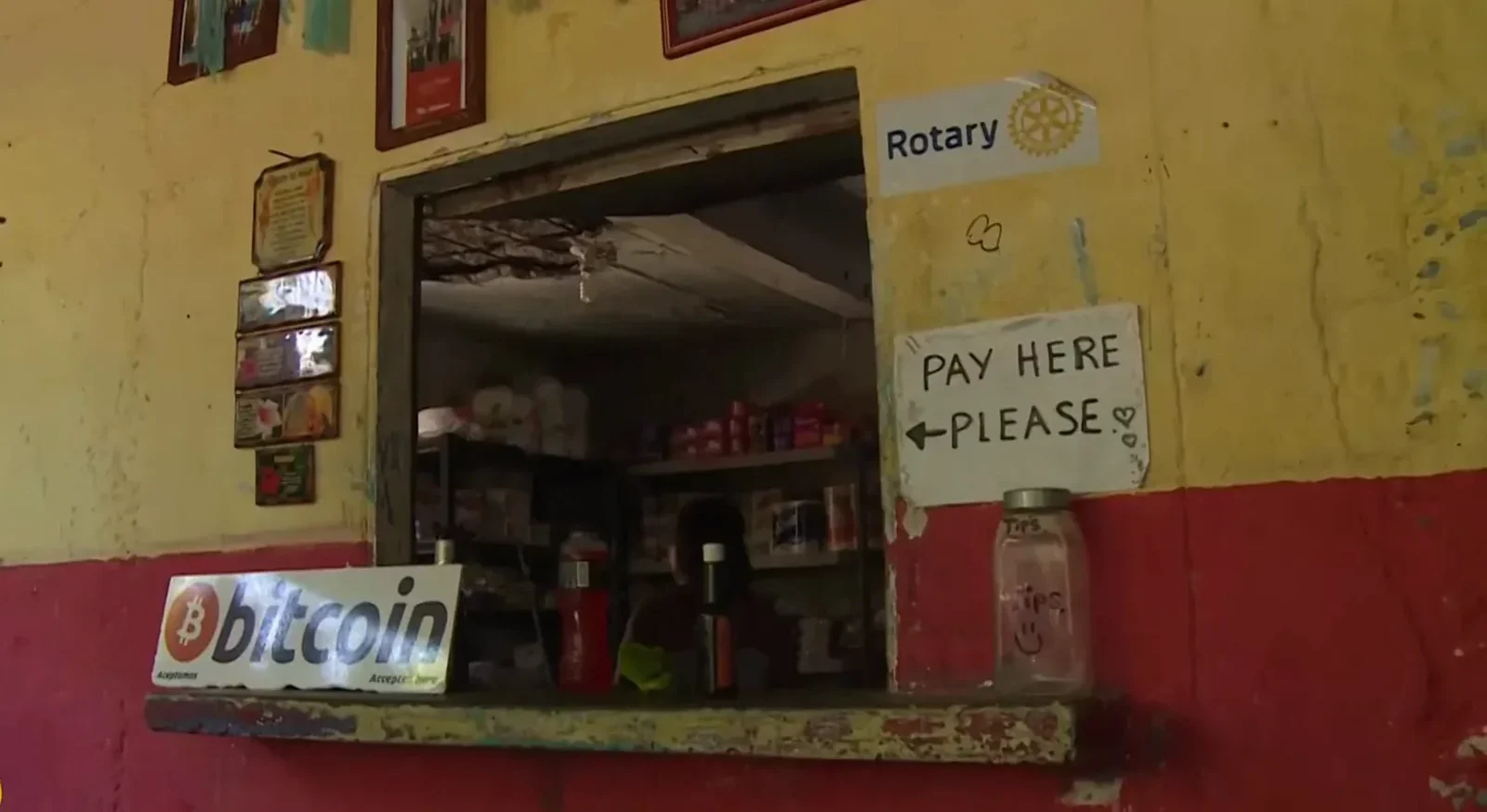
Article 7 said every shop must take bitcoin. - 6
Chivo and the $30 carrot
To actually move the money, the government built its own wallet: Chivo — Salvadoran slang for 'cool' — with no commission on digital bitcoin and dollar transactions. The onboarding tool was blunt and brilliant: $30 in bitcoin, free, for every citizen who registered with their ID. That's roughly equivalent to several days of the median wage, and it made Chivo one of the most downloaded apps in the country overnight. The screenshot here shows the wallet's promise in practice — dollars in, bitcoin quoted to eight decimal places, a conversion finished with one tap. But the same campaign had a shadow side the documentaries document: fake sign-ups, scams around the bonus, and Salvadorans afraid that taking the money and deleting the app could get them in trouble.
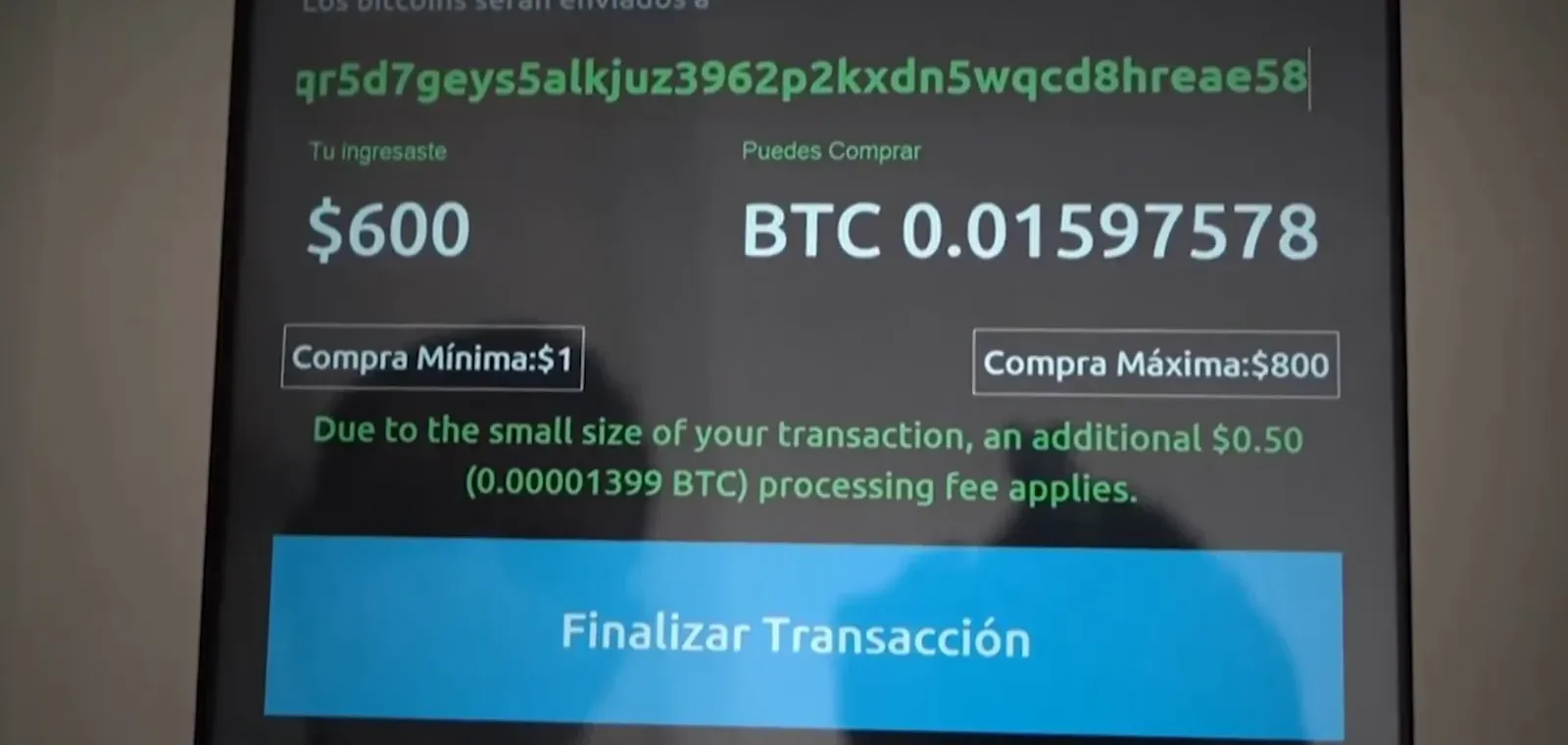
$30 for every ID that signed up.
September 7: The Messiest Launch in Monetary History
The day bitcoin became legal tender, the wallet crashed, the price slid, and the streets answered back — all before lunchtime.
- 7
The app melted down on day one
On the morning of September 7, 2021, Salvadorans woke up as residents of the world's first bitcoin country — and found the future wouldn't load. As people tried to download Chivo and claim their $30, technical glitches hit across the country; the app kept failing exactly where the government needed it to work. President Bukele, whose brainchild this very much was, took to Twitter to personally run customer service, reposting complaints and announcing fixes in real time. The news report meeting the launch found Hugo and Glenda among the few who had actually managed to claim their bonus — and their plan for it was as ordinary as it gets: 'We're going to spend them. We're going to get something to eat.' The rollout, as a later documentary put it bluntly, was messy.
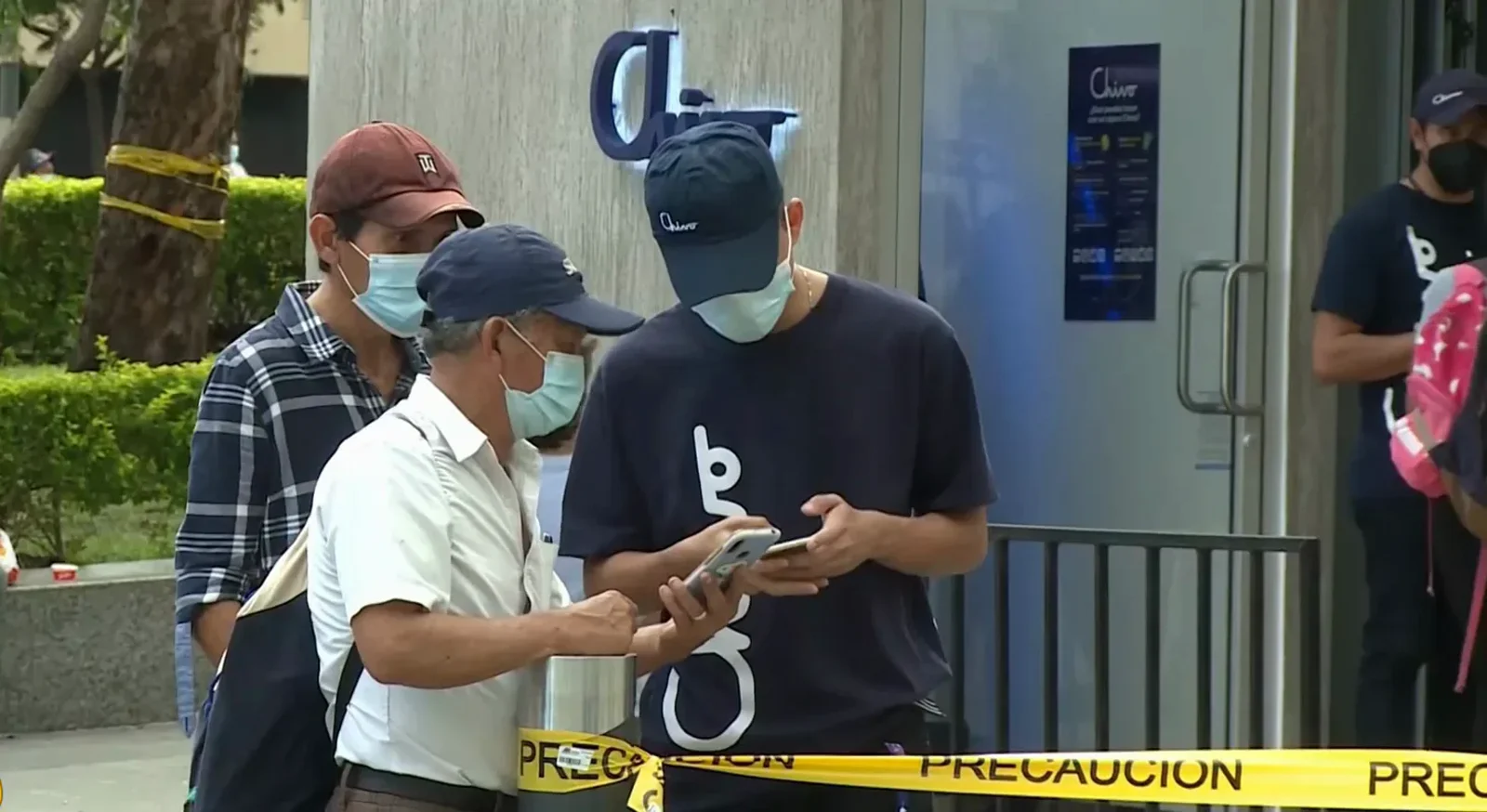
Day one: caution tape and crashed servers. - 8
And bitcoin itself slid 10%
The state's new currency had a mind of its own. On launch day bitcoin fell roughly 10% — so the government doubled down in the oldest trader move there is: Bukele announced the state had bought the dip, 550 bitcoins for about $22 million, the first of what became a habit of public purchases. The volatility problem was bigger than one bad day, and skeptics had spelled it out in advance: a currency whose savings can evaporate in an afternoon is a strange gift to people living on the edge, and merchants would now price everything against an asset that never sat still. For a country whose families already distrusted the dollar imposed on them a generation earlier, watching the new money wobble on day one confirmed the older fear — that currency decisions were still things done to Salvadorans, not by them.
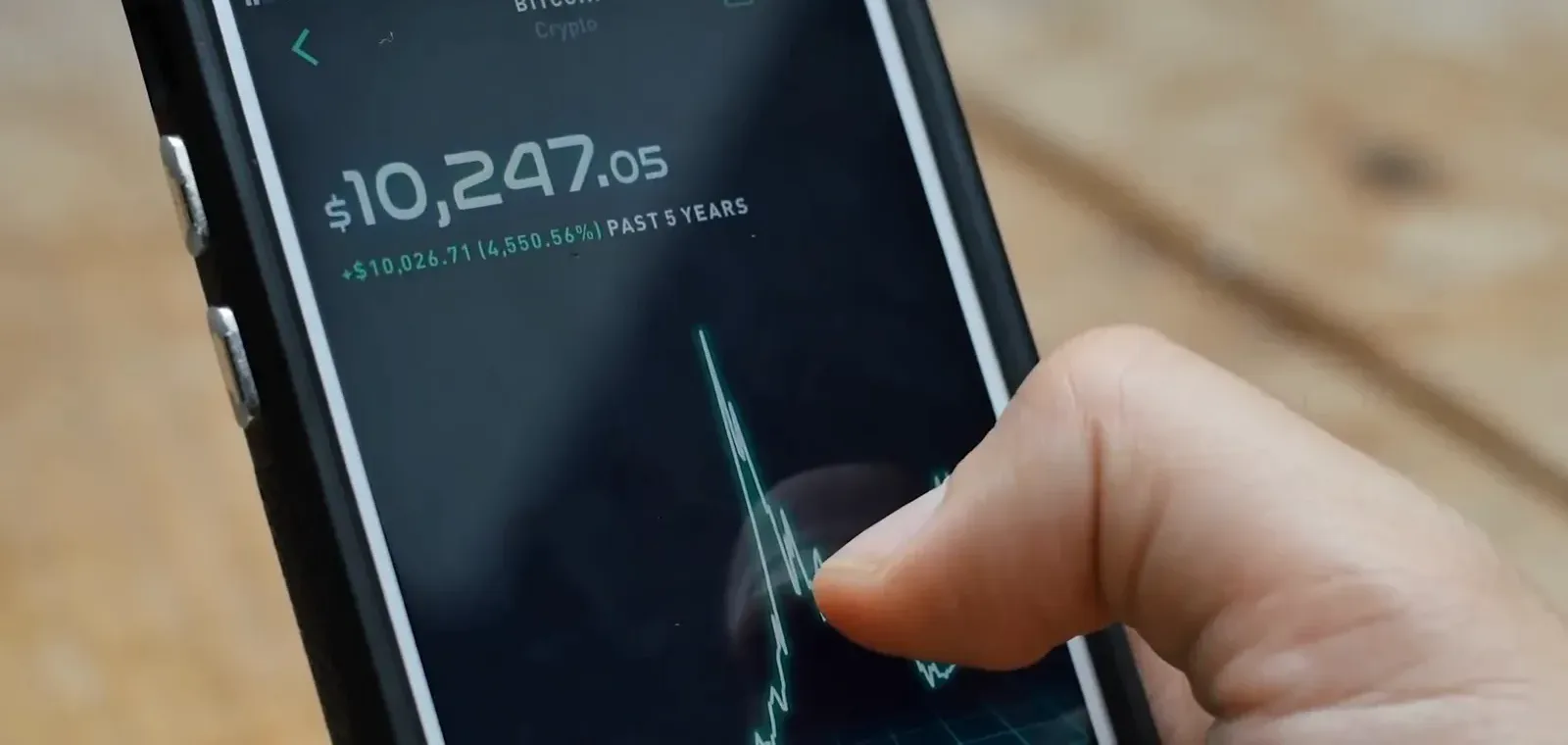
The dip Bukele chose to buy. - 9
Lines outside the Chivo booths
The state also carpeted the country with hardware: some 200 bitcoin ATMs were planned, and glass Chivo booths — staffed kiosks where citizens could cash bitcoin in and out with help — appeared in parks and plazas. In the weeks after launch they drew exactly what you'd expect: the curious, the hopeful and the $30 hunters, plus tourists treating the thing as a novelty. The economics underneath were less photogenic. Converting bitcoin to dollars was guaranteed by the government's $150 million trust fund, and as the news report noted, when conversions ran heavy it was the taxpayer who picked up the bill. Reported spending on the rollout ran to some $200 million — real money in a country where, as one protester put it, education and health care were still waiting.
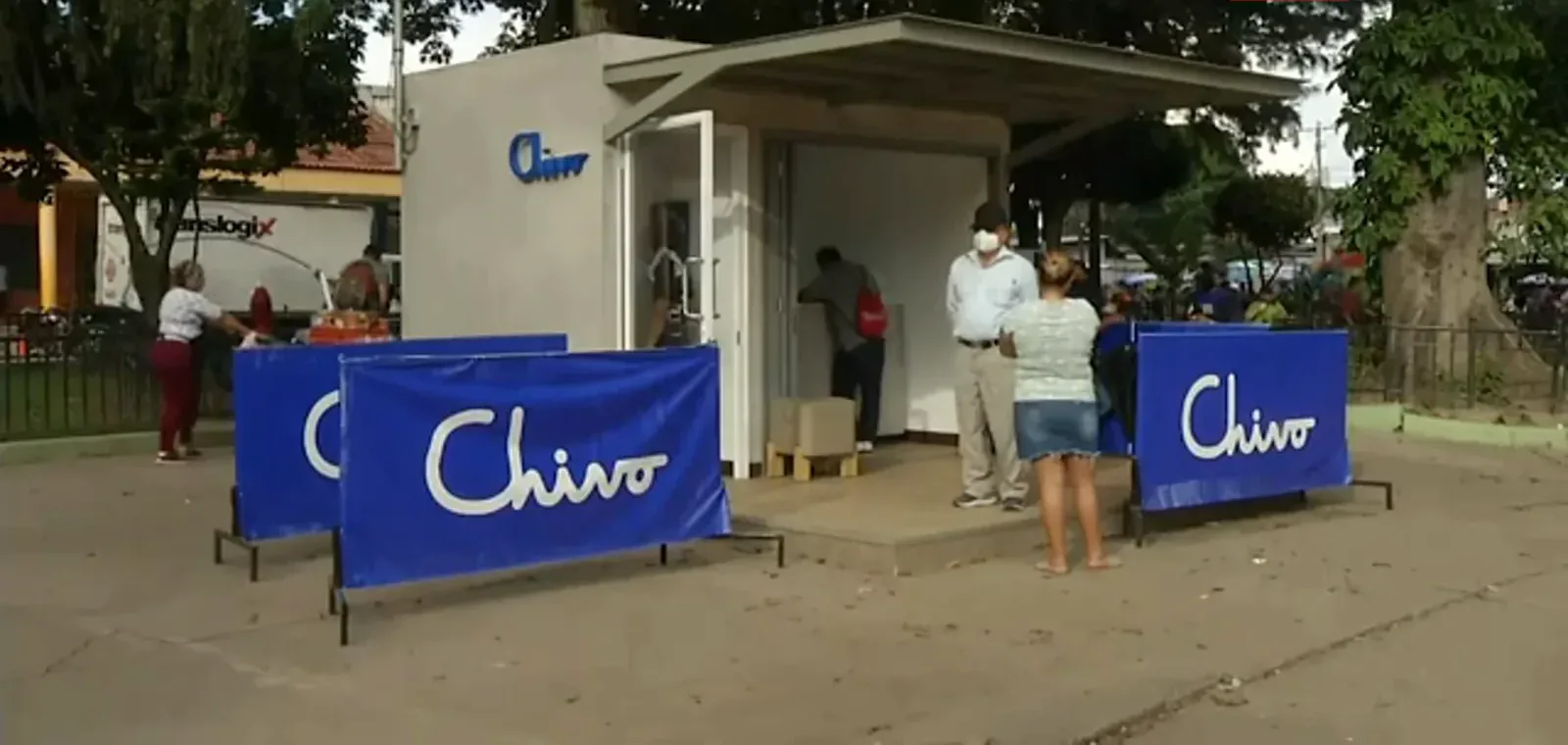
Curiosity drew lines; habit didn't follow. - 10
The streets push back
Opposition wasn't a fringe. A university study put opposition to the law at 70%, and multiple polls in the launch window found a majority of Salvadorans didn't want bitcoin as legal tender at all. More than a thousand people marched through the capital against the law — the footage shows the signs, a crossed-out bitcoin flag, a crowd with a megaphone in front of the national monument. Their arguments were practical, not ideological: volatility could wipe out savings; the state had spent millions on a gimmick while schools and hospitals struggled; and the whole thing was, as one interviewee said of Bukele, very much his brainchild — one man's bet run through the entire economy. It was the first time the otherwise wildly popular president had dragged his country somewhere it visibly didn't want to go.
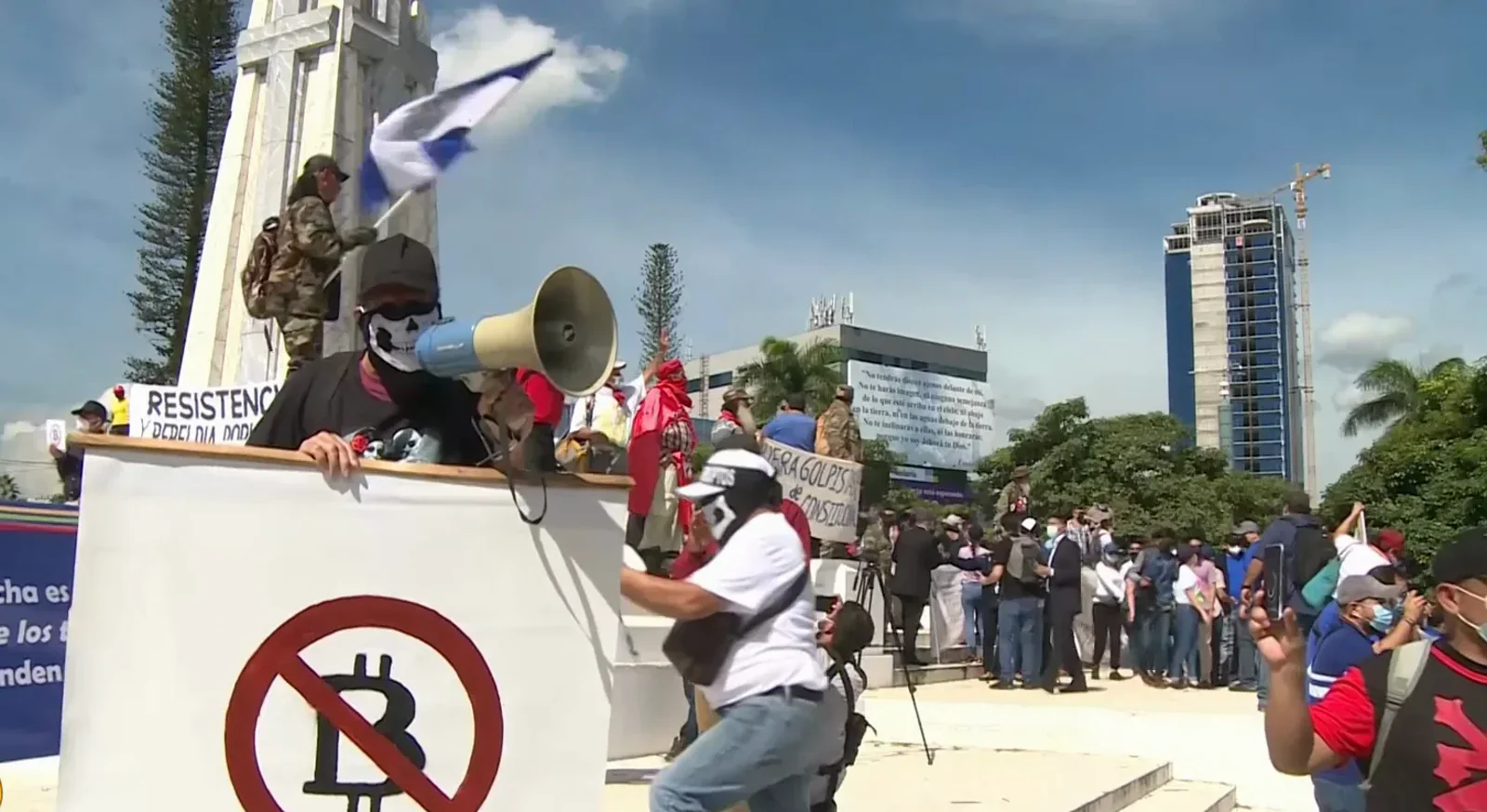
Not everyone wanted to live in Bitcoin country.
The World Reacts: IMF, Volcano Bonds and the Adoption Gap
Wall Street cheered, the IMF didn't, a bitcoin city was promised — and the data slowly told everyone how the experiment was really going.
- 11
Banks between two currencies — and the IMF's red line
El Salvador's banks now lived with two currencies, one of which could drop 10% in a day. Analysts flagged the strain: financial institutions would need to hold more cash against a possible run, and rating agencies like Fitch warned the law raised regulatory risk and potential trouble with anti-money-laundering standards. The harshest review came from the institution whose money El Salvador ultimately needed: the IMF spent two years pushing back, and in its January 2022 assessment the Executive Board formally urged the authorities to narrow the scope of the bitcoin law by removing bitcoin's legal tender status — dissolving the bitcoin trust along the way. El Salvador refused, and kept buying. The standoff turned every subsequent loan negotiation into a negotiation about bitcoin.
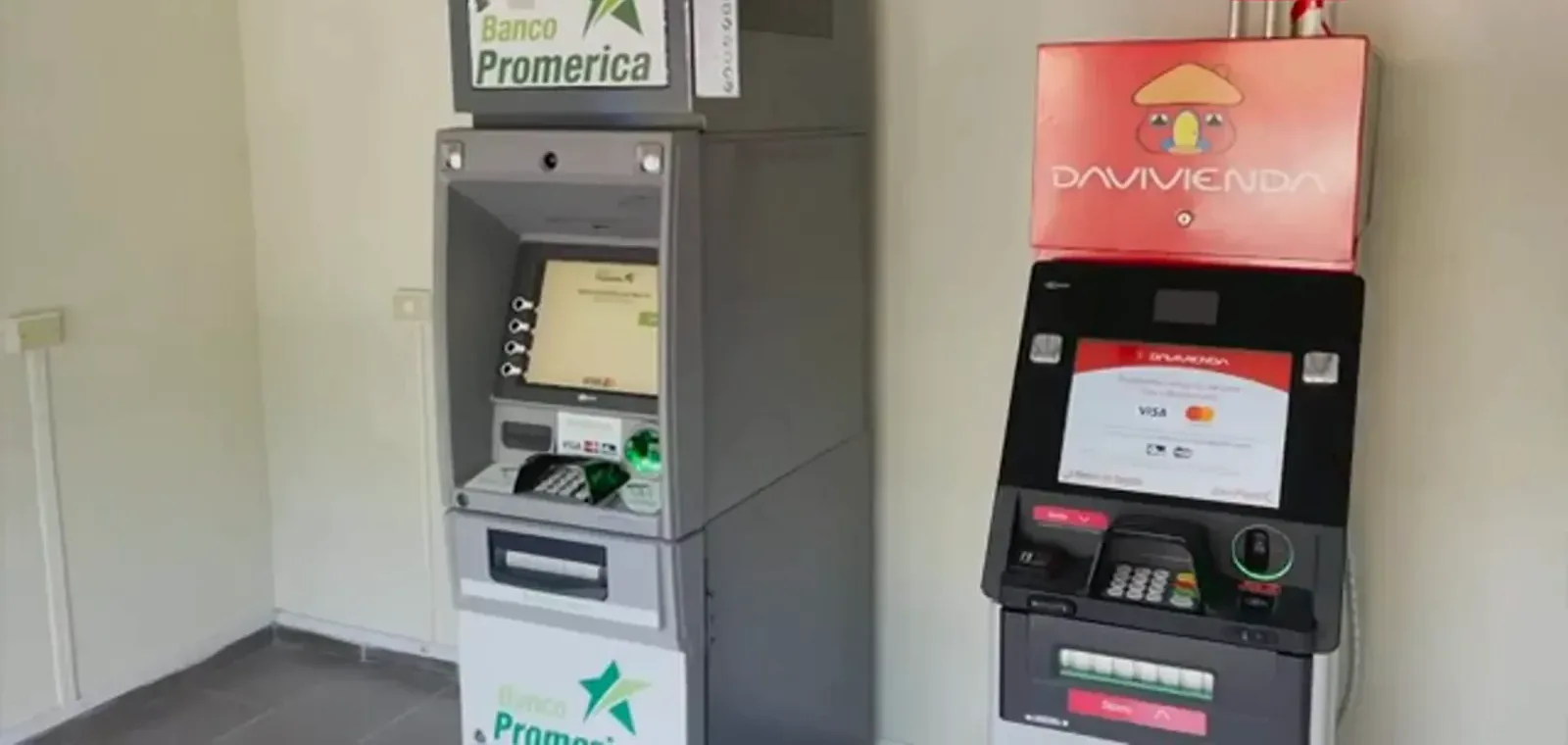
The IMF saw risk where Bukele saw revolution. - 12
Volcano bonds and the city that never broke ground
The experiment kept escalating. Bukele, asked in a Twitter space about mining, mused that El Salvador had 23 volcanoes and should mine bitcoin with their energy; the state launched a bitcoin treasury and geothermal mining pilots. Then came Bitcoin City: a gleaming round city at the base of a volcano near La Unión, powered by geothermal plants like this one, with no property, income or capital-gains taxes — a tax haven for crypto enthusiasts, financed by a $1 billion 'volcano bond' that would put half the money into bitcoin and half into energy and infrastructure, sold in pieces over the Liquid side chain so anyone could buy in. The bond never sold. Four years later, by the 2025 documentary's accounting, Bitcoin City hadn't gotten a single permit — the most photogenic promise of the experiment remained a rendering.

Volcano power was the pitch. The permits never came. - 13
The adoption gap: what the data actually showed
So did Salvadorans use it? Economists Fernando Alvarez, David Argente and Diana Van Patten got the answer out of Chivo's own transaction data and surveys: downloads spiked exactly as the $30 bonus predicted, then usage settled at levels best described as low, concentrated and declining over time — with privacy fears, of a state-run wallet holding your transactions, the single biggest reason people gave for walking away. The years confirmed it. By the 2025 documentary's count, 90% of Salvadorans didn't touch bitcoin at all in 2023, and only 1.9% of remittances arrived in bitcoin — the original headline use case. The wallet in this photo, showing a balance and a tidy transaction list, was the exception: most Chivo balances were spent down and abandoned once the bonus was gone.
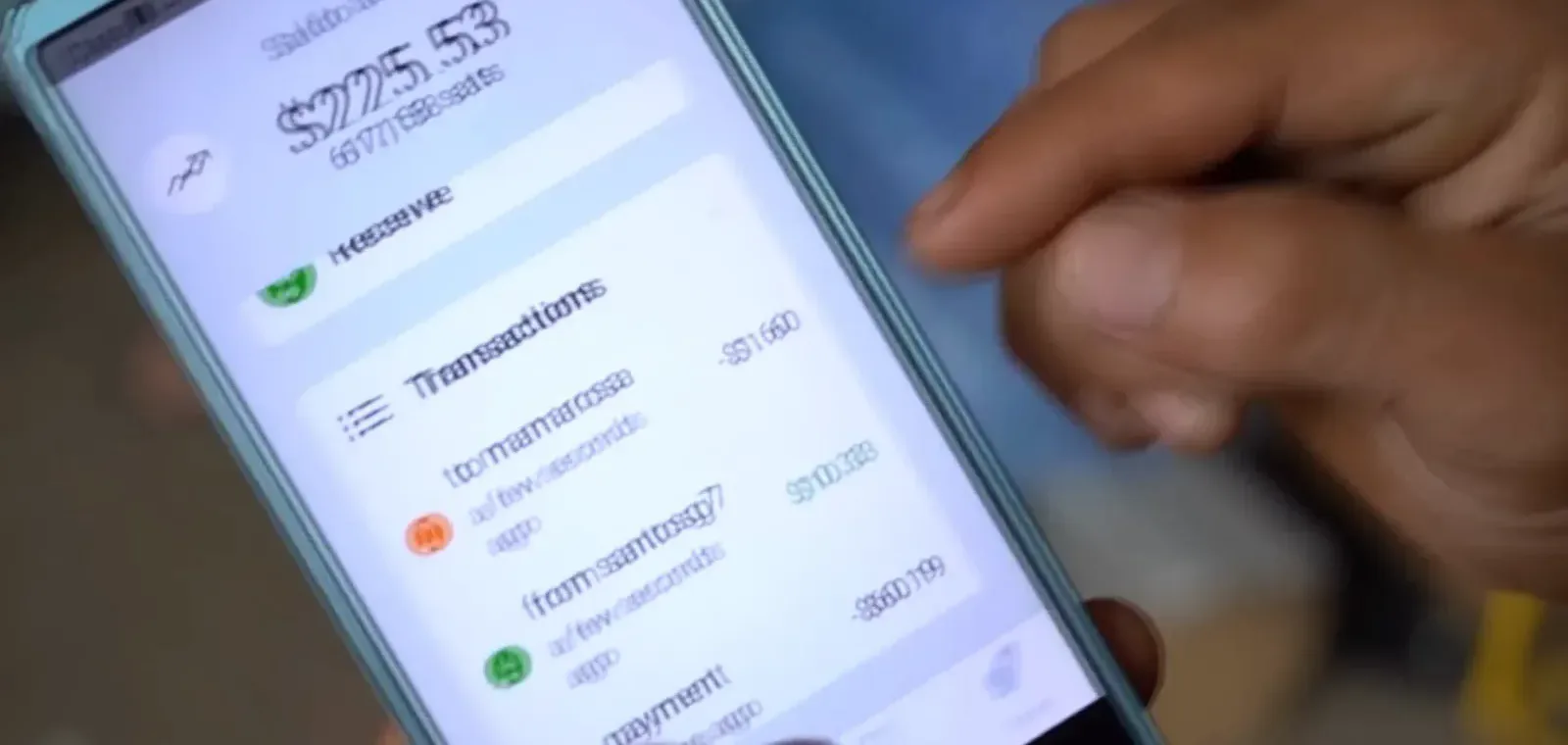
The bonus spent, the wallet closed.
Rewrite and Legacy: Life After the Legal Mandate
In 2025 the law was rewritten as quietly as it had passed. What survived says more about the experiment than the law ever did.
- 14
2025: the law quietly rewritten
The end came the way the beginning did — fast, from the top, with minimal debate. Facing bills to pay and locked out of markets, El Salvador turned to the IMF for a $1.4 billion loan, and the fund's price was the one thing the country had refused for four years: scale the law back. A December 2024 agreement, approved by congress in a January 2025 session that lasted minutes, rewrote the bitcoin law: businesses no longer have to accept it, taxes can no longer be paid in it, the public sector must retreat from bitcoin activity, and the Chivo wallet — the app built to onboard the entire nation — must be sold or shut down. No press release, no public vote, as the documentary notes; the law that had made the country famous was amended like a parking ordinance. Bitcoin remained legal tender in name. The mandate was gone.

The law changed. The booth stayed empty. - 15
What the experiment left standing
The strange postscript: even with the mandate gone, the state never stopped believing in the stack. El Salvador kept its bitcoin treasury — around 2,300 coins accumulated near the top, worth half their cost at the lows — and kept buying even after signing the IMF deal. The skills programs endured too: the government's elite Cubo Plus classes, community courses like Mi Primer Bitcoin, and a hardware store where new users get set up after Chivo. Tourism hit record highs on the back of the 'Bitcoin country' brand, and in towns like Berlin a circular economy of expats and locals kept spending bitcoin with no law requiring anything. The national debt, meanwhile, grew more than 40% since the law's passage — the fiscal arithmetic that ultimately forced the rewrite. The bet on bitcoin survived; the bet on forcing it failed.
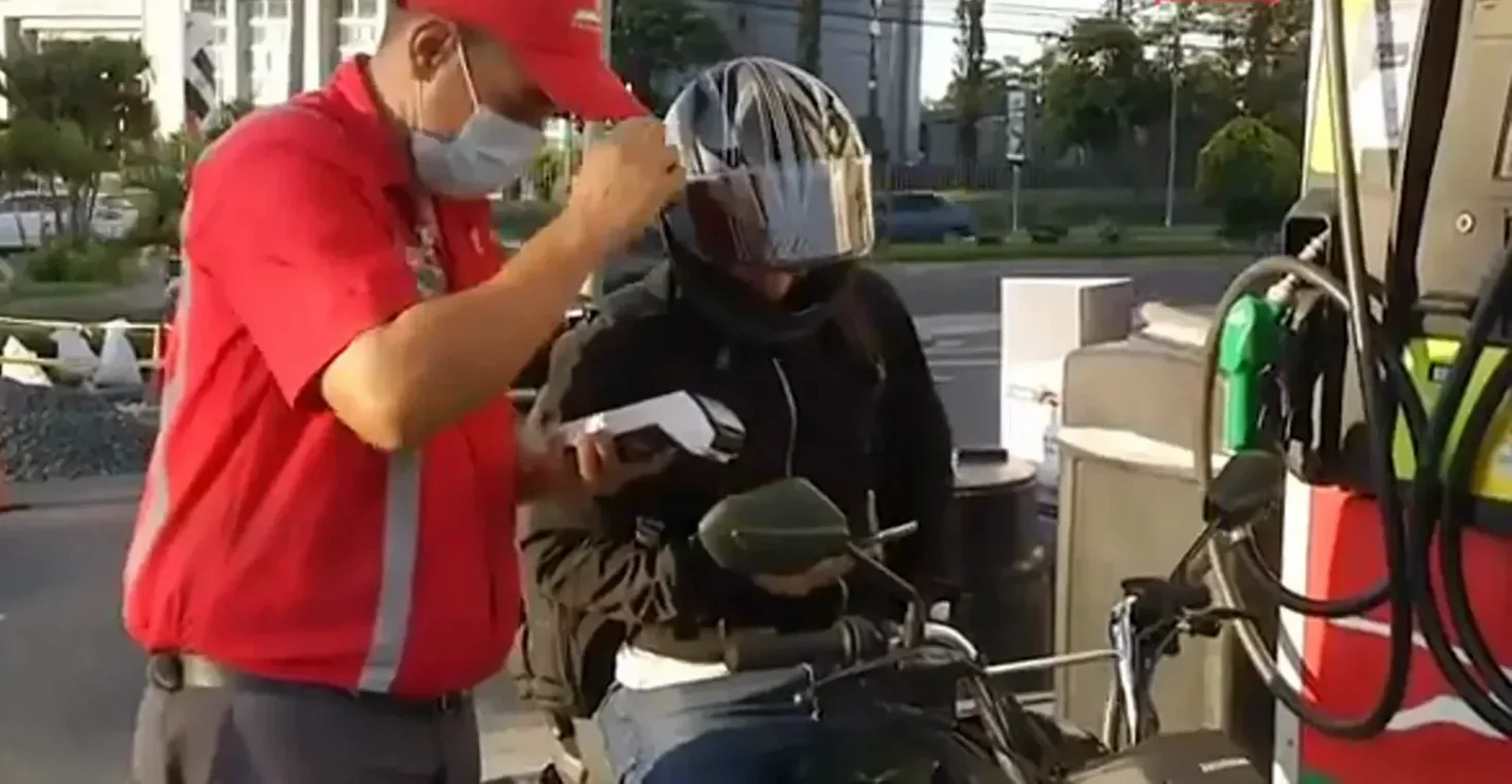
Dollars kept flowing either way. - 16
The first-mover's legacy
Whatever the ledger says, El Salvador ran the only full-scale test of bitcoin as national money — and gave the Lightning Network, bitcoin's instant-payment layer, its first starring role in a national payments story, from El Zonte's QR signs to espresso bars where most customers paid over Lightning. Every country watching got the same lesson the data wrote: legal tender is a law, adoption is a choice, and people with savings to protect do not volunteer for volatility — no matter how big the signup bonus is. Yet walk through San Salvador today and the signs are still up: Se Acepta Bitcoin. Acceptance outlived obligation. To the believers who moved there, that's the whole point — the country is still Bitcoin country, as the documentary puts it, law or no law.
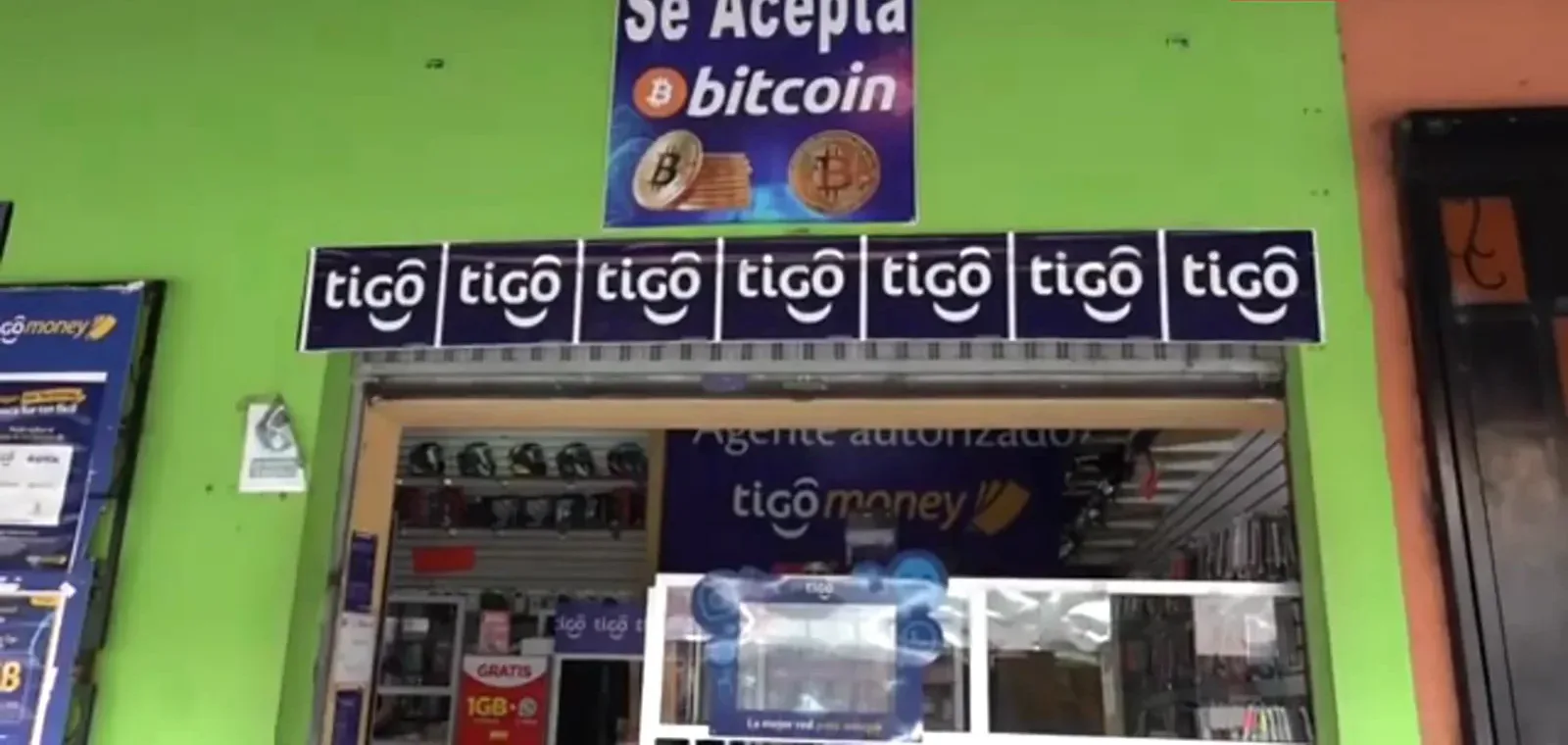
Still accepted — just no longer required.
Frequently Asked Questions
What is the El Salvador Bitcoin Law?
Why did El Salvador adopt bitcoin as legal tender?
Who opposed the bitcoin law?
Did Salvadorans actually use bitcoin?
What changed in the 2025 reform of the bitcoin law?
What does the El Salvador experiment mean for other countries?
Continue the Story
A Global History of Crypto Regulation
El Salvador chose to embrace; China chose to ban, and Venezuela's petro collapsed. See the full map of how states have handled crypto — the national-experiment cluster this story belongs to.
Crypto Winter 2018: The Year Bitcoin Fell 84%
The 2021 bitcoin law was written at the top of the next bull market — the same euphoria-cycle that froze over in 2018 and again in 2022.
Bitcoin Halving History: The Four-Year Clock
The 2020 halving lit the bull run that carried Bukele's announcement — the cycle clock that keeps setting crypto's weather.
The Cypherpunk Movement
Bitcoin was built to route around states — El Salvador made one the cashier. Where the national-adoption dream collides with the original cypherpunk ethos.
The Genesis Block
Satoshi's first block mocked bank bailouts; eighteen years later a nation's president made bitcoin legal tender. The arc from protest to policy.
Browse All Illustrated Guides
Every story in the blockchain history series, as step-by-step illustrated guides.
References
Extended Multimedia Reference
Visual sequences and chronologies in this guide cross-reference video documentation “Bitcoin's first month as El Salvador's legal currency” by AP Archive.
This illustrated guide is maintained strictly for educational, research, and historical documentation purposes. None of the materials constitute investment, financial, legal, or trading advice. Historical crisis and market events are documented from public archives. Digital assets involve significant risks.